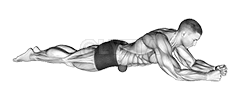
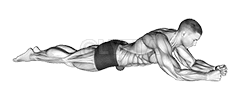
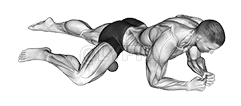
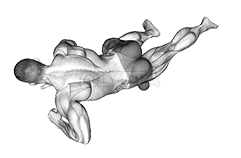
Roll Ball Piriformis Release
Roll Ball Piriformis Release demonstration
Watch the demo so setup and tempo are clear before you follow the step-by-step cues.
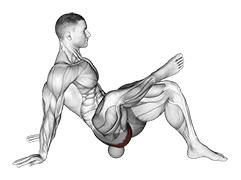
Performing the: A Step-by-Step Tutorial Roll Ball Piriformis Release
Work through the cues in order so setup, bracing, and reps stay consistent before you add load.
- Place the ball under your glute, specifically under the muscle where you're feeling discomfort or tightness, which is usually the piriformis muscle.
- Lean onto the ball, adjusting your body weight as needed to apply pressure on the muscle. Make sure not to put too much pressure that it becomes painful.
- Gently roll the ball around the area using your body to control the movement, aiming to cover the entire muscle and surrounding area.
- Spend about 30 seconds to 2 minutes on each spot, focusing on areas that feel particularly tight or tender, then switch to the other side.
Tips for Performing Roll Ball Piriformis Release
Form reminders that keep range of motion and control in check once the basic pattern feels stable.
- Gradual Pressure: A common mistake is applying too much pressure too quickly. Start with gentle pressure and gradually increase as your body adapts. If you feel any sharp or severe pain, stop immediately. The key is to find a balance between discomfort and relief.
- Consistent Movement: Keep the ball moving in small, slow circles. This helps to massage the muscle and increase blood flow. Avoid staying in one spot for too long as it can lead to bruising or further muscle tension.
- Regular Breathing: Remember to breathe regularly throughout the exercise. Holding your breath can cause unnecessary tension in your muscles
Can beginners do the Roll Ball Piriformis Release?
A short framing note on whether this pattern suits newer lifters before you load it heavily.
Yes, beginners can certainly do the Roll Ball Piriformis Release exercise. However, it's important to start slowly and gently to avoid any potential injury. This exercise is a type of self-myofascial release that can help relieve tension and tightness in the piriformis muscle, which is located in the buttock region. It's always recommended to seek guidance from a fitness professional or physical therapist when starting new exercises, especially if you have any pre-existing conditions or concerns.
What are common variations of the Roll Ball Piriformis Release?
Compare these progressions when the main pattern is solid or you need a different stimulus with similar equipment.
- The Lateral Ball Roll is another variation where you lie sideways on the ball, allowing it to roll along the length of your piriformis muscle.
- The Wall Ball Roll involves placing the ball between your piriformis muscle and a wall, then moving your body to roll the ball along the muscle.
- The Standing Ball Roll is a variation where you stand against a wall with the ball between your piriformis muscle and the wall, and then roll it by moving your body up and down.
- Lastly, the Supine Ball Roll involves lying on your back with the ball under your piriformis muscle and using your legs to move your body, rolling the ball along the muscle.
Related Exercises
Similar library demos that share muscle or equipment focus so you can compare form cues and programming options.