Bodyweight Elevanted Heel Squat
Bodyweight Elevanted Heel Squat demonstration
Watch the demo so setup and tempo are clear before you follow the step-by-step cues.
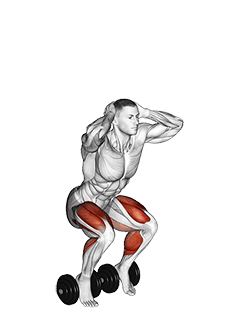
Performing the: A Step-by-Step Tutorial Bodyweight Elevanted Heel Squat
Work through the cues in order so setup, bracing, and reps stay consistent before you add load.
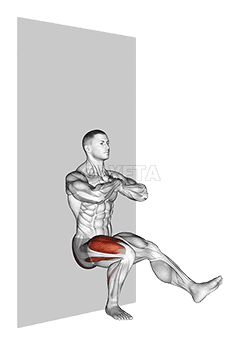
- Extend your arms out in front of you for balance, keep your back straight, and begin to lower your body by bending at the knees as if you're sitting back into a chair.
- Continue to lower your body until your thighs are parallel to the ground, making sure your knees do not go beyond your toes.
- Pause for a moment at the bottom of the squat, maintaining your balance and keeping your core engaged.
- Push through your heels to return to the starting position, ensuring your movements are controlled and steady. Repeat the exercise for your desired number of repetitions.
Tips for Performing Bodyweight Elevanted Heel Squat
Form reminders that keep range of motion and control in check once the basic pattern feels stable.
- **Maintain Correct Posture**: As you lower your body into a squat, keep your chest up, back straight, and your gaze forward. This helps to maintain balance and also reduces the risk of straining your back. A common mistake is to hunch over or look down, which can throw off your balance and lead to potential injury.
- **Controlled Movement**: The movement should be slow and controlled. Lower your body as far as you can without discomfort, ideally until your thighs are parallel to the floor. Avoid dropping down quickly into the squat, as this can cause knee strain.
- **Engage Your Core**: Keep your core engaged throughout the exercise. This not
Can beginners do the Bodyweight Elevanted Heel Squat?
A short framing note on whether this pattern suits newer lifters before you load it heavily.
Yes, beginners can certainly do the Bodyweight Elevated Heel Squat exercise. It is a relatively simple exercise that primarily targets the quads, but also works the glutes and hamstrings. As with any new exercise, beginners should start slow, focus on maintaining proper form, and gradually increase the intensity as their strength and endurance improve. However, it's always a good idea to consult with a fitness professional or physical therapist to ensure the exercise is being performed correctly and safely.
What are common variations of the Bodyweight Elevanted Heel Squat?
Compare these progressions when the main pattern is solid or you need a different stimulus with similar equipment.
- Jump Squat: This variation adds an explosive element to the exercise, where you jump up from the squatting position, working on your power and agility.
- Bulgarian Split Squat: For this variation, one of your legs is elevated on a bench or step behind you, increasing the intensity and focus on the front leg.
- Squat Pulse: This variation involves staying in the squat position and performing small up and down movements, which can help to increase muscle endurance.
- Pistol Squat: This is a more advanced variation where you squat using only one leg, while the other is extended in front of you, testing your balance and strength.
Related Exercises
Similar library demos that share muscle or equipment focus so you can compare form cues and programming options.