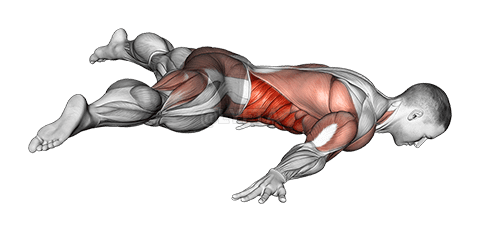
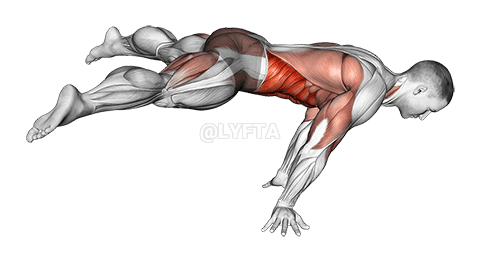
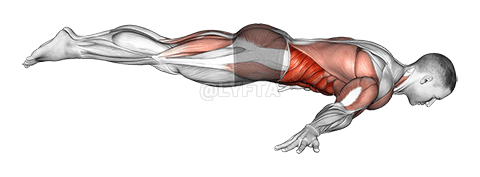
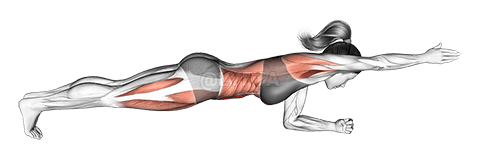
Full planche
Full planche demonstration
Watch the demo so setup and tempo are clear before you follow the step-by-step cues.
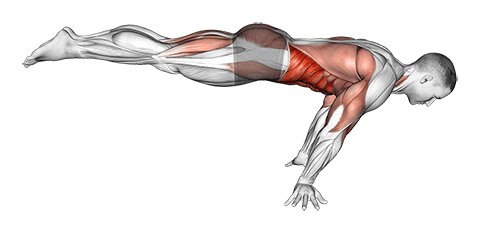
Performing the: A Step-by-Step Tutorial Full planche
Work through the cues in order so setup, bracing, and reps stay consistent before you add load.
- Start by warming up your wrists, shoulders, and core muscles to prepare them for the intense workout that a full planche requires.
- Begin in a push-up position. Place your hands slightly wider than shoulder-width apart, fingers pointing forward, and your feet together.
- Lean your body forward to shift your weight onto your hands while keeping your arms straight. Your shoulders should be above or slightly ahead of your hands.
- Tuck your knees into your chest and lift your feet off the ground, balancing your body weight on your hands. This is known as the tuck planche.
- Slowly extend your legs straight behind you, parallel to the ground, while maintaining your balance. This is the full planche position. Hold this position for as long as you can, keeping your body straight and parallel to the ground. Please note that the full
Tips for Performing Full planche
Form reminders that keep range of motion and control in check once the basic pattern feels stable.
- **Proper Form and Alignment**: Ensure your body is in the correct position. Your hands should be slightly wider than shoulder-width apart, fingers pointing forward or slightly outwards. Your body should be parallel to the ground, with your legs extended and toes pointed. A common mistake is arching the back or bending the elbows, which can strain your muscles and joints.
- **Core and Shoulder Strength**: Core and shoulder strength are key to performing a full planche. Incorporate exercises like planks, push-ups, and handstands
Can beginners do the Full planche?
A short framing note on whether this pattern suits newer lifters before you load it heavily.
The Full Planche exercise is considered an advanced gymnastic move that requires a high level of strength, balance, and control. It's not typically recommended for beginners because it requires a significant amount of upper body and core strength. Beginners can, however, work towards a Full Planche by starting with easier exercises and gradually increasing the difficulty as their strength and skill improve. These preparatory exercises might include push-ups, planks, and planche leans. Always remember to consult with a fitness professional to ensure you're doing exercises correctly and safely.
What are common variations of the Full planche?
Compare these progressions when the main pattern is solid or you need a different stimulus with similar equipment.
- Tuck Planche: In this version, you keep your knees tucked close to your chest, making it a slightly easier variation for beginners to practice.
- Pseudo Planche: This variation involves keeping your feet on the ground and leaning your upper body forward, which helps to build strength for the full planche.
- Planche Lean: This beginner-friendly variation involves leaning forward with your hands on the ground and feet still touching the floor, gradually increasing the lean as your strength improves.
- Half Lay Planche: This is an intermediate level variation where you extend one leg straight out behind you while the other remains tucked in, helping to gradually build up to the full planche.
Related Exercises
Similar library demos that share muscle or equipment focus so you can compare form cues and programming options.