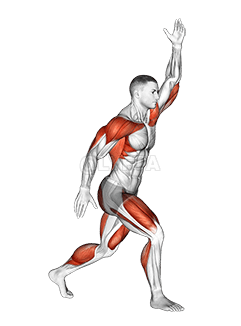
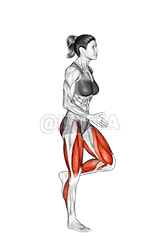
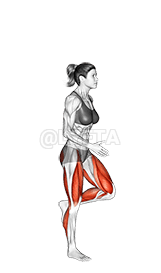
Briskly Walking
Briskly Walking demonstration
Watch the demo so setup and tempo are clear before you follow the step-by-step cues.
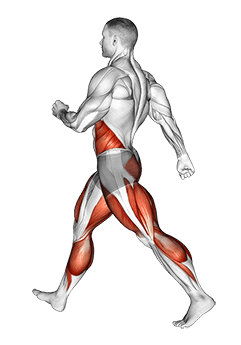
Performing the: A Step-by-Step Tutorial Briskly Walking
Work through the cues in order so setup, bracing, and reps stay consistent before you add load.
- Begin walking at a normal pace to warm up your muscles, gradually increasing your speed until you reach a brisk pace where you're breathing heavier than normal but can still hold a conversation.
- Swing your arms in a natural motion and maintain a straight posture with your chest lifted and your shoulders relaxed.
- Focus on landing on your heel and rolling forward to push off on your toes, increasing your stride length as you get more comfortable with the brisk pace.
- Continue this brisk walk for at least 30 minutes, and remember to cool down by slowing your pace for the last 5 minutes of your walk.
Tips for Performing Briskly Walking
Form reminders that keep range of motion and control in check once the basic pattern feels stable.
- Arm Movement: Swing your arms naturally with each stride. This not only helps to maintain your balance but also contributes to the overall calorie burn. However, avoid over-swinging your arms or bending them more than 90 degrees as it may lead to muscle strain.
- Footwork: Land softly on your heel and roll forward to push off on your toes. This technique helps to reduce the impact on your joints. Avoid stomping or dragging your feet which can cause unnecessary strain on your knees and ankles.
- Breathing: Practice deep, rhythmic breathing. Inhale through your nose and exhale through your mouth. This helps to maximize oxygen intake and avoid shortness of breath. Don
Can beginners do the Briskly Walking?
A short framing note on whether this pattern suits newer lifters before you load it heavily.
Absolutely, brisk walking is a great exercise for beginners. It's low-impact, doesn't require any special equipment, and can be done anywhere. It's also easy to adjust the intensity by walking faster or slower, making it a good choice for people of all fitness levels. Plus, it has many health benefits such as improving heart health, boosting mood, and aiding in weight loss. As with any new exercise routine, beginners should start slow and gradually increase their pace and duration of walks as their fitness improves.
What are common variations of the Briskly Walking?
Compare these progressions when the main pattern is solid or you need a different stimulus with similar equipment.
- Speed walking is another variation that involves walking at a very fast pace, often using specific techniques to maximize speed.
- Nordic walking incorporates the use of poles, similar to those used in skiing, to engage the upper body during the walk.
- Racewalking is a competitive form of brisk walking where participants have to maintain contact with the ground at all times.
- Fitness walking is a variation that combines brisk walking with other exercises or movements, such as lunges or arm movements, to increase the overall workout intensity.
Related Exercises
Similar library demos that share muscle or equipment focus so you can compare form cues and programming options.