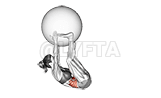
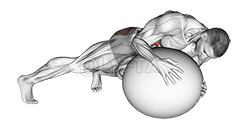
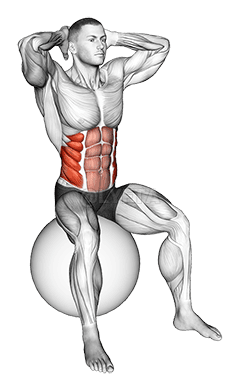
V-Up Down
V-Up Down demonstration
Watch the demo so setup and tempo are clear before you follow the step-by-step cues.

Performing the: A Step-by-Step Tutorial V-Up Down
Work through the cues in order so setup, bracing, and reps stay consistent before you add load.
- Engage your core and at the same time, lift your legs and your upper body off the floor to form a 'V' shape with your body.
- Reach your hands towards your feet, keeping your legs and arms as straight as possible.
- Hold this 'V' position for a second, then slowly lower your legs and upper body back down to the starting position.
- Repeat this movement for your desired amount of repetitions, ensuring to keep your core engaged throughout the entire exercise.
Tips for Performing V-Up Down
Form reminders that keep range of motion and control in check once the basic pattern feels stable.
- Correct Form: The correct form is essential for this exercise. Lie flat on your back with your legs straight and your arms extended overhead. Keep your legs together and your arms close to your ears as you perform the exercise. The common mistake here is bending the knees or separating the arms from the ears, which can reduce the effectiveness of the exercise.
- Controlled Movement: Avoid rushing through the movements. The key to this exercise is to move in a slow, controlled manner. This not only helps to engage the correct muscles but also minimizes the risk of injury. A common mistake is to use momentum to swing your body up and down, which can lead to back pain or injury.
- Keep Core Engaged: During the V-Up Down, it's important to keep your core engaged
Can beginners do the V-Up Down?
A short framing note on whether this pattern suits newer lifters before you load it heavily.
Yes, beginners can do the V-Up Down exercise, but it may be challenging as it requires core strength and balance. It's essential to start slow and focus on form rather than speed or the number of repetitions. If it's too difficult, there are modifications and simpler exercises that can help build up the necessary strength, such as knee tucks or basic crunches. Always remember to listen to your body and stop if you feel any discomfort or pain.
What are common variations of the V-Up Down?
Compare these progressions when the main pattern is solid or you need a different stimulus with similar equipment.
- The Bent Knee V-Up Down is another alternative, in which you bend your knees as you lift your legs, making the exercise slightly easier and more accessible for beginners.
- The Weighted V-Up Down adds an extra challenge by holding a small weight or medicine ball in your hands as you perform the movement.
- The V-Up Down with a Twist involves rotating your torso as you lift your legs and upper body, targeting the obliques in addition to the core.
- The V-Up Down with a Hold involves pausing at the top of the movement for a few seconds to increase the intensity of the exercise.
Related Exercises
Similar library demos that share muscle or equipment focus so you can compare form cues and programming options.