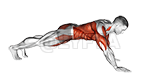
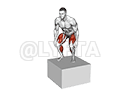
Skips
Skips demonstration
Watch the demo so setup and tempo are clear before you follow the step-by-step cues.
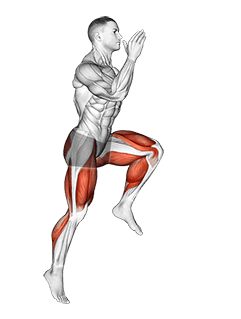
Performing the: A Step-by-Step Tutorial Skips
Work through the cues in order so setup, bracing, and reps stay consistent before you add load.
- Begin the exercise by stepping forward with your right foot and simultaneously lifting your left knee as high as you can, while swinging your right arm forward and your left arm backward.
- Jump off your right foot and land on your left foot, now lifting your right knee as high as you can, while swinging your left arm forward and your right arm backward.
- Repeat this movement, alternating between your left and right foot, while maintaining a rhythmic and continuous motion.
- Continue to perform this exercise for a set amount of time or for a specific number of repetitions.
Tips for Performing Skips
Form reminders that keep range of motion and control in check once the basic pattern feels stable.
- Warm-up: Skipping is a high-impact exercise that requires a lot of energy and can be hard on the body if not done correctly. Therefore, it's crucial to warm up before starting to prepare your muscles and joints for the activity. This will help to prevent injuries.
- Use the Right Equipment: If you're skipping with a rope, make sure it's the right length. Stand on the middle of the rope and pull the handles up; they should reach your armpits. A rope that's too long or too short can affect your rhythm and increase the risk of tripping or injury.
- Gradual Progression: Don't rush into doing high-intensity skipping
Can beginners do the Skips?
A short framing note on whether this pattern suits newer lifters before you load it heavily.
Yes, beginners can definitely do the Skips exercise. It's a great cardio workout that also helps to improve coordination and agility. However, like any exercise, it's important to start slow and gradually increase intensity as your fitness level improves. If you have any health concerns, it's always a good idea to consult with a doctor or a fitness professional before starting a new exercise routine.
What are common variations of the Skips?
Compare these progressions when the main pattern is solid or you need a different stimulus with similar equipment.
- The Side Skip involves lateral movement, making it a great option for improving agility and coordination.
- The Backward Skip requires more balance and coordination, as you're moving in the opposite direction than usual.
- The Cross-Country Skip mimics the movements of cross-country skiing, utilizing both arm and leg movements in a forward and backward motion.
- The Double Skip involves two skips per hop, increasing the intensity of the workout and challenging your timing and rhythm.
Related Exercises
Similar library demos that share muscle or equipment focus so you can compare form cues and programming options.