Short Stride Run
Short Stride Run demonstration
Watch the demo so setup and tempo are clear before you follow the step-by-step cues.
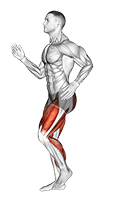
Performing the: A Step-by-Step Tutorial Short Stride Run
Work through the cues in order so setup, bracing, and reps stay consistent before you add load.
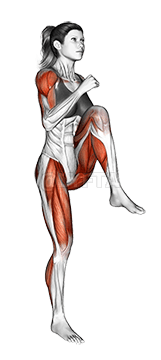
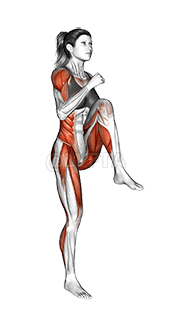
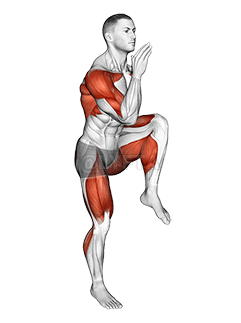
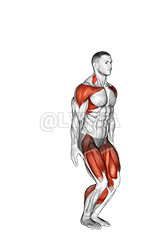
- Start jogging on the spot, ensuring that you maintain a short stride, meaning your feet should only be lifting a few inches off the ground.
- As you jog, swing your arms back and forth in rhythm with your strides, this will help maintain your balance and momentum.
- Keep your core engaged and your back straight throughout the exercise to ensure proper form and prevent injury.
- Continue this exercise for a set duration, typically around 30 seconds to a minute, then rest and repeat as desired.
Tips for Performing Short Stride Run
Form reminders that keep range of motion and control in check once the basic pattern feels stable.
- Correct Form: Maintaining the correct form is crucial. Keep your body upright, your gaze forward, and your shoulders relaxed. Your arms should be at a 90-degree angle, and your hands should be relaxed. When running, lift your knees slightly and land on the ball of your foot. A common mistake is over-striding or landing on the heel, which can lead to injuries and reduce efficiency.
- Gradual Increase: Start with a comfortable pace and gradually increase your speed over time. This will help your body adapt to the exercise and reduce the risk of injury. A common mistake is to start too quickly, which can lead to early fatigue and potential injury.
- Breathing Technique: Practice proper breathing techniques. Try to maintain
Can beginners do the Short Stride Run?
A short framing note on whether this pattern suits newer lifters before you load it heavily.
Yes, beginners can certainly do the Short Stride Run exercise. It's a great way to improve running form and speed. However, it's important to start slow and gradually increase the intensity to avoid injury. It's also beneficial to warm up properly before starting the exercise and to cool down afterwards.
What are common variations of the Short Stride Run?
Compare these progressions when the main pattern is solid or you need a different stimulus with similar equipment.
- The Butt Kick Run is another variation where the runner tries to kick their own buttocks with their heels on each stride, while keeping the stride short.
- The Quick Feet Run involves taking very rapid but short strides, almost like running on the spot, which can increase agility and speed.
- The Side Shuffle Run is a lateral movement variation of the Short Stride Run, where the runner moves sideways keeping their strides short and quick.
- The Backward Run, where the runner moves in the opposite direction while maintaining short strides, is another interesting variation of the Short Stride Run.
Related Exercises
Similar library demos that share muscle or equipment focus so you can compare form cues and programming options.