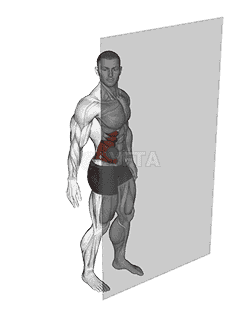
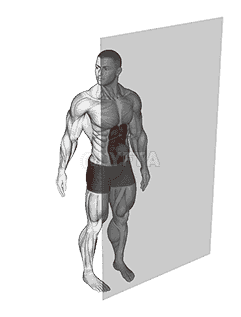
Roll Ball Diaphragm
Roll Ball Diaphragm demonstration
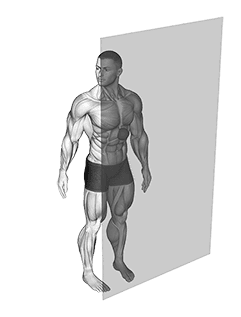
Performing the: A Step-by-Step Tutorial Roll Ball Diaphragm
- Place a small exercise ball (or a similar object like a rolled-up towel) on your abdomen, just below your ribcage.
- Inhale deeply, allowing your diaphragm to expand and push the ball upwards.
- Hold your breath for a few seconds, keeping the ball elevated.
- Slowly exhale, letting the ball gently fall back down as your diaphragm contracts. Repeat the exercise for several rounds.
Tips for Performing Roll Ball Diaphragm
- Breathing Technique: A common mistake is not focusing on the breathing technique. The purpose of this exercise is to strengthen the diaphragm, which is a muscle involved in respiration. Therefore, you should breathe in deeply, allowing your belly to rise as your diaphragm contracts. As you breathe out, you should feel your belly fall. Avoid shallow or rapid breathing.
- Movement Control: When rolling the ball, make sure to do it slowly and with control. Rushing through the movement or using jerky motions can strain your muscles and won't give you the full benefit of the exercise.
- Regular Breaks: Like any other exercise
Can beginners do the Roll Ball Diaphragm?
Yes, beginners can certainly do the Roll Ball Diaphragm exercise. It's a great way to start understanding and controlling your diaphragm, which is essential for proper breathing, especially in activities such as singing, public speaking, or playing wind instruments. However, like any exercise, it's important to start slow and gradually increase the intensity to avoid straining yourself. If you're unsure about how to do the exercise properly, consider seeking guidance from a professional, like a vocal coach or a physical therapist.
What are common variations of the Roll Ball Diaphragm?
- The Pulsating Dome Diaphragm is another variation that uses a dome-shaped diaphragm which pulsates to control the flow.
- The Flat Sheet Diaphragm is a simpler variation where a flat sheet is used to regulate fluid flow.
- The Saddle Diaphragm is a variation where a saddle-shaped diaphragm is used to control the flow of fluid.
- The Bellows Diaphragm is a variation that uses a series of folding sections, similar to an accordion, to control fluid flow.