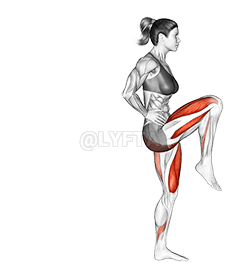
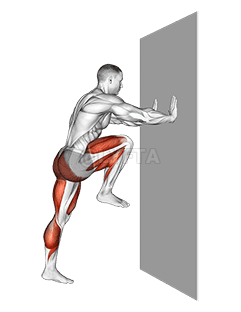
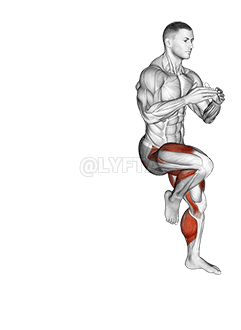
High Knee Run
High Knee Run demonstration
Watch the demo so setup and tempo are clear before you follow the step-by-step cues.
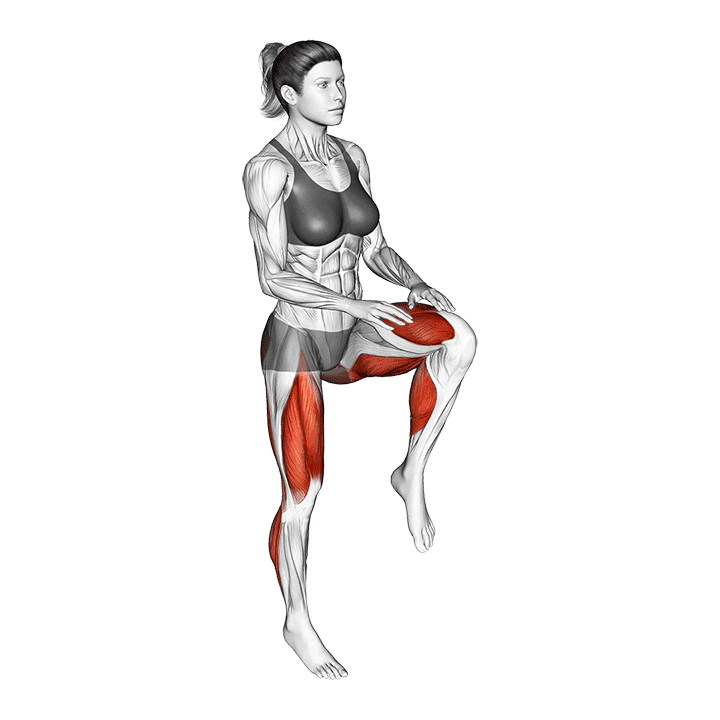
Performing the: A Step-by-Step Tutorial High Knee Run
Work through the cues in order so setup, bracing, and reps stay consistent before you add load.
- Begin running in place, bringing your knees up to your chest as high as you can.
- Make sure to engage your core muscles as you lift your knees.
- Swing your arms as if you were actually running, this will help you maintain balance and speed.
- Continue this motion for a set amount of time or for a certain number of repetitions.
Tips for Performing High Knee Run
Form reminders that keep range of motion and control in check once the basic pattern feels stable.
- Pacing: Start at a slower pace and gradually increase as you get more comfortable with the movement. It's a common mistake to start too fast and tire quickly. Remember, it's not about speed, but the height of your knees that makes this exercise effective.
- Foot Placement: Land softly on the balls of your feet and avoid stomping or heavy landing. This can cause unnecessary stress on your knees and ankles.
- Breathing: Don't hold your breath while performing High Knee Runs. It's important to breathe regularly and rhythmically. Inhale as
Can beginners do the High Knee Run?
A short framing note on whether this pattern suits newer lifters before you load it heavily.
Yes, beginners can do the High Knee Run exercise, but they should start slowly and at their own pace. This exercise is a great cardio workout and also helps to strengthen the lower body. However, if someone has any knee or hip issues, they should consult with a doctor or a physical therapist before attempting high impact exercises like these. It's also important to use proper form to avoid injury.
What are common variations of the High Knee Run?
Compare these progressions when the main pattern is solid or you need a different stimulus with similar equipment.
- The High Knee Skip involves adding a skipping motion, lifting one knee high and then the other, adding a hop in between.
- The High Knee Jump Rope includes using a jump rope while lifting your knees high, adding an extra layer of coordination and cardio.
- The Lateral High Knee Run involves moving side to side, lifting your knees high as you shuffle in one direction then the other.
- The High Knee Run with Arm Pump includes exaggerated arm movements, pumping your arms as you lift your knees, increasing the intensity of the workout.
Related Exercises
Similar library demos that share muscle or equipment focus so you can compare form cues and programming options.