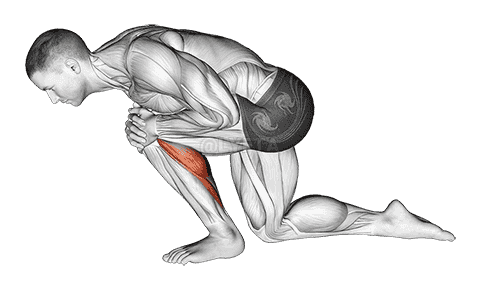
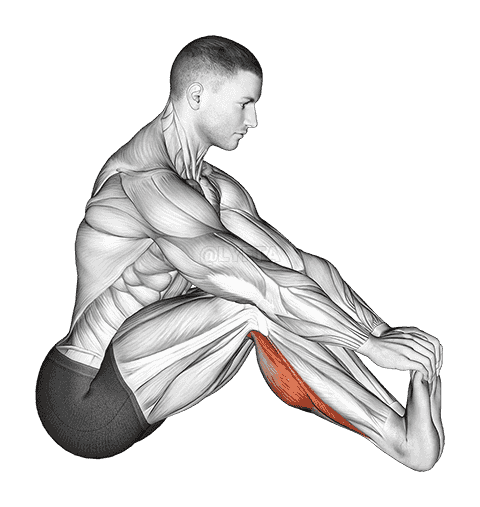
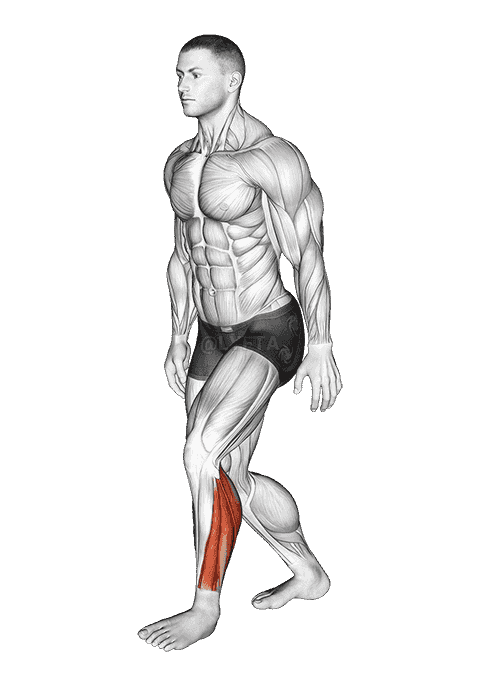
Gastrocnemius
Gastrocnemius demonstration

Performing the: A Step-by-Step Tutorial Gastrocnemius
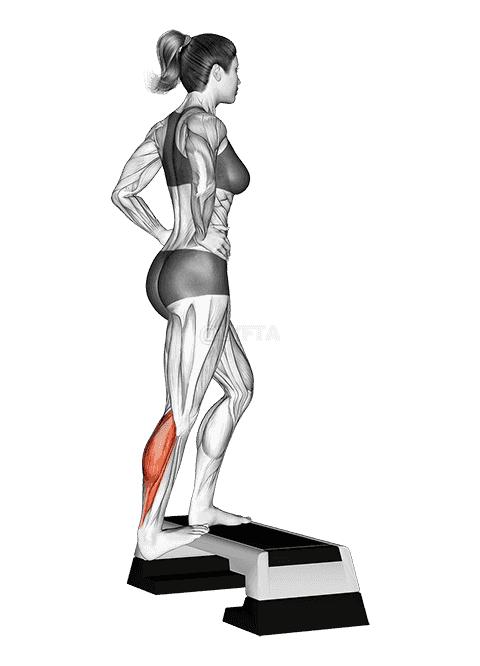
- Move one foot slightly forward while keeping your other foot firmly planted behind.
- Slowly raise the heel of your back foot off the ground, pushing up onto your toes and engaging the calf muscles.
- Hold this position for a few seconds, feeling the stretch in your calf.
- Slowly lower your heel back to the ground and repeat the exercise for the desired number of reps, then switch feet and repeat the process.
Tips for Performing Gastrocnemius
- Range of Motion: Ensure you are utilizing the full range of motion. This means lowering your heels below the level of the step when doing calf raises, and raising them as high as you can. Not using the full range of motion is a common mistake that can reduce the effectiveness of the exercise.
- Controlled Movement: Avoid bouncing or using momentum to lift your body. This is a common mistake that not only reduces the effectiveness of the exercise, but also increases the risk of injury. Instead, make sure your movement is slow, controlled, and deliberate.
- Progressive Overload: To get the most out of your gastrocnemius exercises, you need to gradually increase the intensity of your workouts
Can beginners do the Gastrocnemius?
Yes, beginners can definitely do Gastrocnemius exercises. The Gastrocnemius is a muscle in the calf that can be strengthened through various exercises such as calf raises, jumping jacks, or stair climbing. As with any new exercise routine, beginners should start slow and gradually increase intensity to avoid injury. It's also beneficial to do a proper warm-up before starting the exercises and cool down afterwards. If any discomfort or pain is felt during these exercises, it's important to stop and consult with a healthcare professional or a fitness trainer.
What are common variations of the Gastrocnemius?
- The lateral head of the gastrocnemius, originating from the posterior lateral condyle of the femur, is another variation that assists in plantar flexion and knee flexion.
- The short head of the gastrocnemius is a less common variation, which is shorter in length and originates from the femur's shaft rather than the condyles.
- The third head of the gastrocnemius is a rare anatomical variation, typically originating from the popliteal surface of the femur or the capsule of the knee joint.
- The split belly of the gastrocnemius is another variation where the muscle belly is divided into two or more parts, which doesn't usually affect the muscle's function but can be significant in surgical procedures.