Thoracic Bridge
Thoracic Bridge demonstration
Watch the demo so setup and tempo are clear before you follow the step-by-step cues.
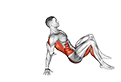
Performing the: A Step-by-Step Tutorial Thoracic Bridge
Work through the cues in order so setup, bracing, and reps stay consistent before you add load.
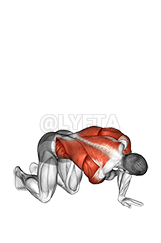
- Push your hips up towards the ceiling, arching your back and allowing your head to fall back gently, creating a bridge-like shape with your body.
- At the same time, push your chest up and out, opening up your thoracic spine and stretching your chest and shoulders.
- Hold this position for a few seconds, focusing on deep, steady breathing.
- Slowly lower your body back down to the starting position, sitting back on your heels and relaxing your arms by your sides. Repeat the exercise as many times as desired.
Tips for Performing Thoracic Bridge
Form reminders that keep range of motion and control in check once the basic pattern feels stable.
- **Body Alignment**: Keep your body in a proper alignment. This means your hands should be shoulder-width apart, fingers pointing towards your feet and your feet hip-width apart. A common mistake is to place the hands or feet too wide or too narrow, which can lead to strain and discomfort.
- **Controlled Movement**: Move into and out of the bridge position slowly and with control. Don't rush or use momentum to get into position. This is a common mistake that can lead to injury. Instead, focus on using your muscles to control the movement.
- **Breathing**: Breathe deeply and steadily throughout the exercise. Holding your breath can create unnecessary tension in your body. Inhale as you lower into the
Can beginners do the Thoracic Bridge?
A short framing note on whether this pattern suits newer lifters before you load it heavily.
Yes, beginners can do the Thoracic Bridge exercise, but they should start with a modified version, if necessary, to avoid injury. It's important to start slowly and focus on form rather than pushing into deep stretches too quickly. The Thoracic Bridge exercise is beneficial for improving mobility and flexibility, especially in the spine and shoulders. However, it's always recommended to consult with a fitness professional or a physical therapist to ensure you're doing the exercise correctly and safely.
What are common variations of the Thoracic Bridge?
Compare these progressions when the main pattern is solid or you need a different stimulus with similar equipment.
- Thoracic Bridge with Arm Reach: In this variation, you reach one arm towards the ceiling while maintaining the bridge position, enhancing shoulder mobility and core strength.
- Thoracic Bridge with Hip Dip: This version involves dipping your hips towards the ground and then lifting them back up, increasing the engagement of your glutes and lower back muscles.
- Thoracic Bridge with Knee Tuck: In this variation, you tuck one knee towards your chest while in the bridge position, which adds a dynamic element and increases the engagement of your lower abs and hip flexors.
- Thoracic Bridge with Rotation: This version involves a rotational movement of the upper body while maintaining the bridge position, which enhances the mobility of the thoracic spine and the strength of the oblique muscles.
Related Exercises
Similar library demos that share muscle or equipment focus so you can compare form cues and programming options.