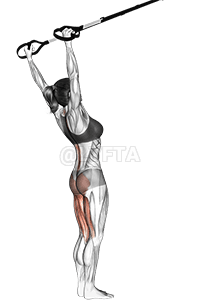
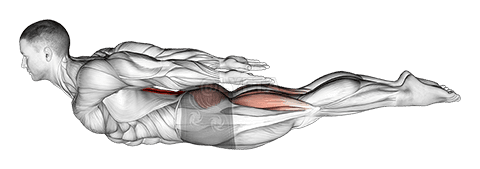
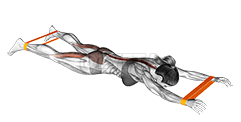
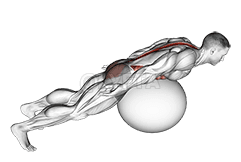
Suspension Pull Through
Suspension Pull Through demonstration
Watch the demo so setup and tempo are clear before you follow the step-by-step cues.
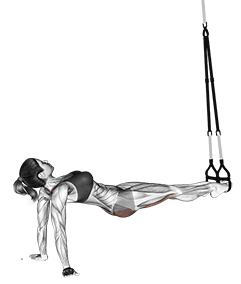
Performing the: A Step-by-Step Tutorial Suspension Pull Through
Work through the cues in order so setup, bracing, and reps stay consistent before you add load.
- Walk forward a few steps until there's tension in the straps, then lean forward into a diagonal plank position, keeping your feet hip-width apart and your arms extended in front of you.
- Keeping your core engaged and your body in a straight line, pull your body forward by driving your arms back, squeezing your shoulder blades together.
- Slowly extend your arms back out in front of you, allowing your body to lean back into the starting position, maintaining control and tension in the straps at all times.
- Repeat this movement for the desired number of repetitions, ensuring you maintain proper form and control throughout the exercise.
Tips for Performing Suspension Pull Through
Form reminders that keep range of motion and control in check once the basic pattern feels stable.
- **Maintain Body Alignment**: One common mistake is to allow the body to sag or bend at the hips. To avoid this, engage your core and ensure your body is in a straight line from your head to your heels throughout the exercise. This will help to engage the proper muscles and avoid unnecessary strain on your lower back.
- **Controlled Movements**: Perform the pull through in a slow, controlled manner. Avoid jerking or using momentum to pull yourself up. This is a common mistake that can lead to injury and reduces the effectiveness of the exercise.
- **Focus on the Right Muscles**: The suspension pull through is designed to target your back, shoulders,
Can beginners do the Suspension Pull Through?
A short framing note on whether this pattern suits newer lifters before you load it heavily.
Yes, beginners can do the Suspension Pull Through exercise, but they should start with a light weight to avoid injury. It's important to maintain proper form and gradually increase the weight as strength improves. It's also advisable to have a trainer or experienced individual guide through the process to ensure the exercise is done correctly.
What are common variations of the Suspension Pull Through?
Compare these progressions when the main pattern is solid or you need a different stimulus with similar equipment.
- The Suspension Pull Through with a Twist involves adding a torso rotation at the top of the movement, targeting the oblique muscles in addition to the glutes and hamstrings.
- The Suspension Pull Through with a Squat includes a squat at the end of the pull through, which adds a quadriceps strengthening component to the exercise.
- The Elevated Suspension Pull Through involves performing the exercise with your feet on a raised platform, increasing the range of motion and the difficulty of the exercise.
- The Suspension Pull Through with a Jump includes a jump at the end of the pull through, adding a plyometric and cardiovascular component to the exercise.
Related Exercises
Similar library demos that share muscle or equipment focus so you can compare form cues and programming options.