Locust Yoga Pose
Locust Yoga Pose demonstration
_Back_small.png&w=3840&q=75)
Performing the: A Step-by-Step Tutorial Locust Yoga Pose
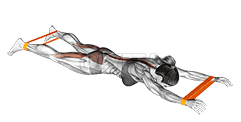
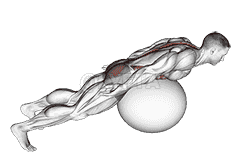
- Inhale and lift your head, upper body, arms, and legs off the floor. Your body should be resting on your lower ribs, belly, and front pelvis.
- Stretch your arms back towards your feet and try to lift your thighs higher off the floor.
- Hold this pose for 30 seconds to one minute, remembering to breathe evenly throughout.
- Exhale as you lower your body back to the floor, rest for a few breaths, and repeat the pose if desired.
Tips for Performing Locust Yoga Pose
- Warm Up: Like any other exercise, it's crucial to warm up before performing the Locust Pose. This helps to prepare your body and muscles for the pose, reducing the risk of injury. A common mistake is to rush into the pose without adequately warming up, which can lead to muscle strain.
- Balanced Breathing: Breathing plays a crucial role in yoga. In the Locust Pose, inhale as you lift your body off the mat and exhale as you lower it. This helps to create a rhythm and aids in maintaining the pose. A common mistake is
Can beginners do the Locust Yoga Pose?
Yes, beginners can do the Locust Yoga Pose, also known as Salabhasana. However, it's important that they approach it with care to avoid any injuries. It's recommended to start with a gentle version of the pose and gradually increase the intensity as their strength and flexibility improve. It may also be beneficial to practice under the guidance of a trained yoga instructor, especially in the beginning, to ensure the pose is done correctly.
What are common variations of the Locust Yoga Pose?
- The Full Locust Pose, or Poorna Shalabhasana, involves lifting both legs and the upper body off the ground, balancing only on the abdomen.
- The Clasped Hands Locust Pose is a variation where you clasp your hands behind your back before lifting your upper body off the ground, to intensify the stretch in your shoulders.
- The Bow Locust Pose, or Dhanurasana, is a more advanced variation where you reach back to grab your ankles and lift your chest off the ground, forming a bow shape with your body.
- The Skydiver Locust Pose is a playful variation where you spread your arms and legs wide as if you were skydiving, while lifting your upper body and legs off the ground.