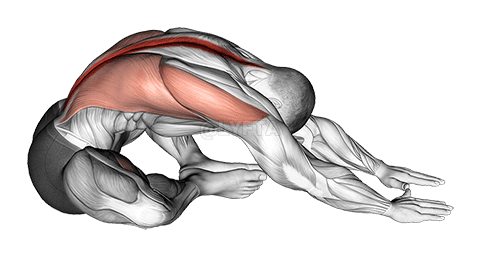
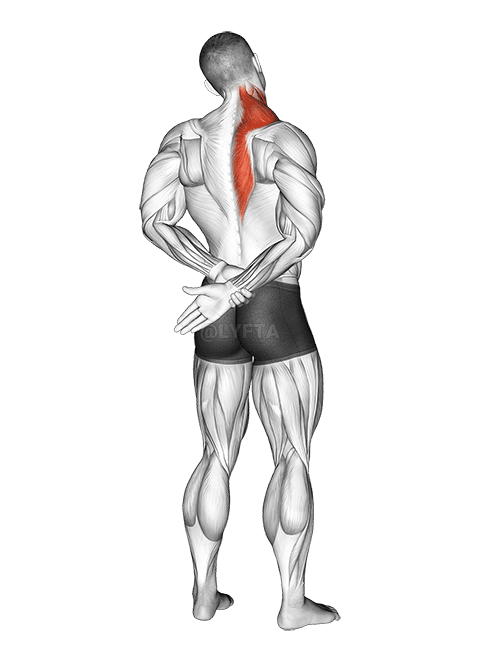
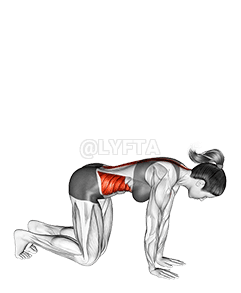
Seated Lower Trunk Extensor Lateral Flexor Stretch
Seated Lower Trunk Extensor Lateral Flexor Stretch demonstration
Watch the demo so setup and tempo are clear before you follow the step-by-step cues.
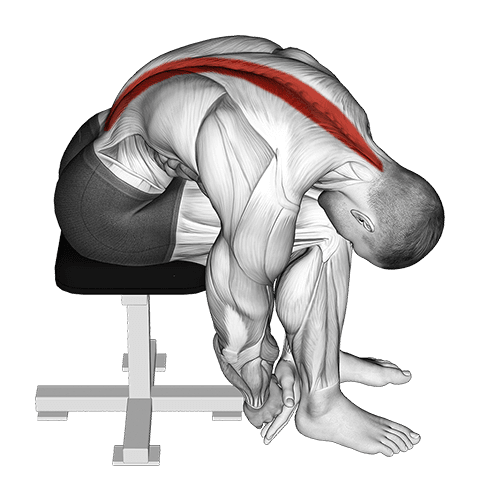
Performing the: A Step-by-Step Tutorial Seated Lower Trunk Extensor Lateral Flexor Stretch
Work through the cues in order so setup, bracing, and reps stay consistent before you add load.
- Place your right hand on the side of the chair for stability, and raise your left arm straight up towards the ceiling.
- Gently bend your torso to the right, using your right hand as a pivot point, while keeping your left arm extended upward.
- Hold this position for about 20-30 seconds, feeling a stretch along the left side of your torso.
- Slowly return to the starting position and repeat the stretch on the opposite side by raising your right arm and bending towards the left.
Tips for Performing Seated Lower Trunk Extensor Lateral Flexor Stretch
Form reminders that keep range of motion and control in check once the basic pattern feels stable.
- Controlled Movement: Avoid jerky or rapid movements. Instead, move slowly and steadily into the stretch, holding it for 15-30 seconds. Rushing the stretch or forcing your body into the position can lead to muscle strain or injury.
- Breathing: Remember to breathe normally during the stretch. Holding your breath can cause tension in your muscles, hindering the stretch and potentially leading to discomfort or injury.
- Avoid Overstretching: While it's normal to feel a gentle pull or slight discomfort during a stretch, you should never feel pain. If you do, it's a sign that you're pushing
Can beginners do the Seated Lower Trunk Extensor Lateral Flexor Stretch?
A short framing note on whether this pattern suits newer lifters before you load it heavily.
Yes, beginners can do the Seated Lower Trunk Extensor Lateral Flexor Stretch exercise. This exercise is quite simple and can be performed by people of all fitness levels. However, it's always important to ensure proper form and technique to avoid injury. If you're a beginner, you may want to start with a smaller range of motion and gradually increase as your flexibility improves. If you feel any pain or discomfort, stop the exercise immediately. As with any new exercise routine, it's a good idea to consult with a healthcare provider or fitness professional to ensure the exercises are suitable for your personal fitness level and health condition.
What are common variations of the Seated Lower Trunk Extensor Lateral Flexor Stretch?
Compare these progressions when the main pattern is solid or you need a different stimulus with similar equipment.
- The Kneeling Lower Trunk Extensor Lateral Flexor Stretch: In this version, you kneel on one knee with the other foot flat on the floor in front of you, then bend sideways towards the knee that's on the floor.
- The Lying Down Lower Trunk Extensor Lateral Flexor Stretch: This involves lying on your side on a flat surface, extending your lower arm above your head and using your upper arm to gently pull your upper body into a side bend.
- The Yoga Triangle Pose: This variation involves standing with your feet wide apart, turning one foot out, and reaching down to touch your ankle with your hand, stretching the opposite side of your torso.
- The Pilates Mermaid Stretch: This version has you
Related Exercises
Similar library demos that share muscle or equipment focus so you can compare form cues and programming options.