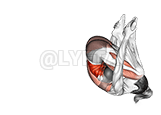
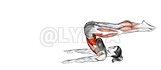
Rolling Back
Rolling Back demonstration
Watch the demo so setup and tempo are clear before you follow the step-by-step cues.
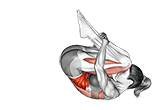
Performing the: A Step-by-Step Tutorial Rolling Back
Work through the cues in order so setup, bracing, and reps stay consistent before you add load.
- Inhale and scoop your abs inwards, then curl your back to roll down onto the mat, vertebra by vertebra, until your shoulders touch the mat.
- Exhale and lift your head and shoulders off the mat, curling up until you're halfway between lying down and sitting up.
- Inhale and hold this position for a moment, maintaining the curve in your spine.
- Exhale and roll back down onto the mat, one vertebra at a time, until your back is flat on the mat again.
Tips for Performing Rolling Back
Form reminders that keep range of motion and control in check once the basic pattern feels stable.
- Proper Form and Technique: The most common mistake in the Rolling Back exercise is the lack of proper form. Ensure your back is rounded, your chin is tucked into your chest, and your knees are bent towards your chest. Use your abs to roll back, not momentum or your neck or shoulders.
- Control Your Movement: A common mistake is rolling back too fast or too far. Try to control your movement, rolling back only until your shoulder blades touch the floor, and then using your abs to roll back up. This helps to engage the right muscles and avoid injury.
- Use a Soft Surface: To avoid injuring your spine, perform this exercise on a soft surface such as a yoga mat or a carpeted floor. Avoid doing it on hard surfaces.
- Listen to Your
Can beginners do the Rolling Back?
A short framing note on whether this pattern suits newer lifters before you load it heavily.
Yes, beginners can do the Rolling Back exercise. However, it's essential to start slowly and ensure proper form to avoid injury. It's also helpful to have a trainer or experienced individual guide you through the process to ensure you're doing it correctly. If you feel any discomfort or pain, stop the exercise immediately.
What are common variations of the Rolling Back?
Compare these progressions when the main pattern is solid or you need a different stimulus with similar equipment.
- The Side-to-Side Roll is another variant where the roll is performed from one side of the body to the other, rather than front to back.
- The Diagonal Roll involves rolling diagonally across the body, adding an extra challenge to the traditional Rolling Back.
- The One-Arm Roll is a more advanced variation where the roll is performed using only one arm for support.
- The Elevated Roll is a variation where the roll is performed on an elevated surface such as a bench or step, increasing the intensity of the exercise.
Related Exercises
Similar library demos that share muscle or equipment focus so you can compare form cues and programming options.