PVC Pass Through
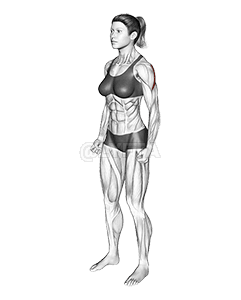
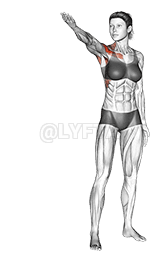
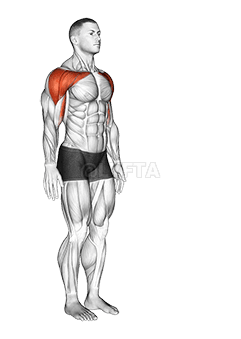
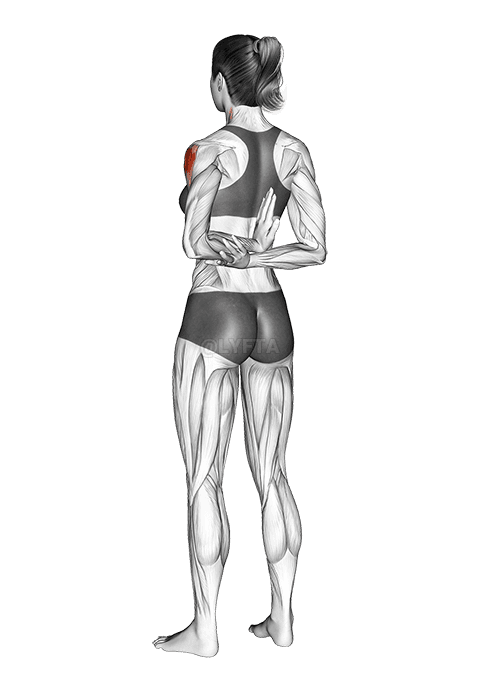
PVC Pass Through demonstration
Watch the demo so setup and tempo are clear before you follow the step-by-step cues.
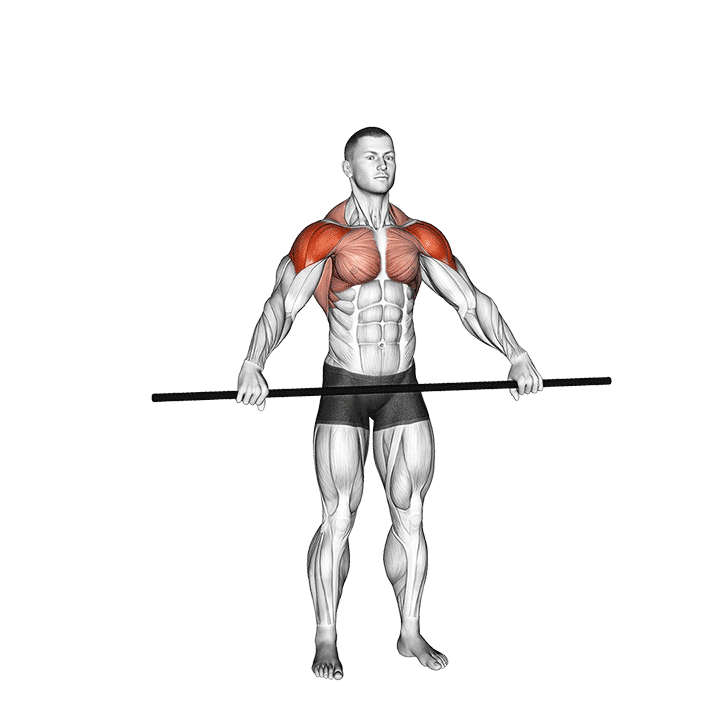
Performing the: A Step-by-Step Tutorial PVC Pass Through
Work through the cues in order so setup, bracing, and reps stay consistent before you add load.
- Keeping your arms fully extended, slowly raise the PVC pipe or broomstick up over your head.
- Continue to move the PVC pipe or broomstick behind your body, maintaining straight arms, until it reaches your lower back.
- Pause for a moment, then slowly reverse the movement, bringing the PVC pipe or broomstick back over your head and down in front of your body.
- Repeat this process for the desired number of repetitions, ensuring to keep your core engaged and your body steady throughout the exercise.
Tips for Performing PVC Pass Through
Form reminders that keep range of motion and control in check once the basic pattern feels stable.
- Maintain Proper Posture: One common mistake people make is rounding their backs during the exercise. Always ensure you maintain a straight, upright posture throughout the movement. Your chest should be out, your shoulders back, and your core engaged.
- Control Your Movement: Avoid rushing through the exercise. The PVC pass-through is not about speed, but about control, flexibility, and range of motion. Move the pipe slowly and deliberately over your head and down to your back, focusing on the stretch and contraction of your shoulder muscles.
- Don't Force the Movement: If you can't bring the pipe all
Can beginners do the PVC Pass Through?
A short framing note on whether this pattern suits newer lifters before you load it heavily.
Yes, beginners can definitely do the PVC Pass Through exercise. It's a great exercise for improving shoulder mobility and flexibility. However, it's important to start with a wide grip and gradually narrow it as flexibility improves. Also, it's crucial to maintain proper form and control to avoid injury. If beginners experience any discomfort or pain, they should stop the exercise and consult with a fitness professional.
What are common variations of the PVC Pass Through?
Compare these progressions when the main pattern is solid or you need a different stimulus with similar equipment.
- Lateral PVC Pass Through: This variation involves passing the PVC pipe from side to side, rather than front to back, which can help improve shoulder mobility and flexibility.
- Seated PVC Pass Through: In this variation, you perform the pass through while seated on a bench or box, which can help isolate the shoulder muscles and improve stability.
- PVC Pass Through with Resistance Bands: This variation involves attaching resistance bands to the PVC pipe to add additional resistance and challenge to the exercise.
- One-Handed PVC Pass Through: This variation involves passing the PVC pipe through one hand at a time, which can help improve unilateral shoulder mobility and strength.
Related Exercises
Similar library demos that share muscle or equipment focus so you can compare form cues and programming options.