Push Up (Body weight)
Push Up demonstration
Watch the demo so setup and tempo are clear before you follow the step-by-step cues.

Performing the: A Step-by-Step Tutorial Push Up
Work through the cues in order so setup, bracing, and reps stay consistent before you add load.
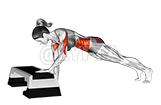
- Extend your legs behind you with your toes tucked under, creating a straight line from your head to your heels, this is your starting position.
- Lower your body towards the floor by bending your elbows, keeping your core tight and maintaining the straight line.
- Push your body up away from the floor, extending your elbows and returning to your starting position, ensure to keep your body straight throughout the movement.
- Repeat the process for the desired number of repetitions, remembering to breathe in as you lower your body and breathe out as you push up.
Tips for Performing Push Up
Form reminders that keep range of motion and control in check once the basic pattern feels stable.
- **Hand Placement**: Your hands should be slightly wider than shoulder-width apart, with your fingers pointing forward. Placing your hands too wide apart can strain your shoulders and wrists, while placing them too close together may not engage your chest and triceps properly.
- **Elbow Position**: When lowering your body, aim to keep your elbows at a 45-degree angle to your body. Flaring your elbows out too far to the sides can put unnecessary stress on your shoulder joints.
- **Full Range of Motion**: To get the most out of the push-up, make sure you're using a full range of motion
Can beginners do the Push Up?
A short framing note on whether this pattern suits newer lifters before you load it heavily.
Yes, beginners can definitely do push-ups. However, they may need to start with modified versions if they find the standard push-up too challenging. For example, they can start by doing push-ups against a wall, then progress to doing them on their knees, and eventually move on to a full push-up. It's important to focus on maintaining good form to avoid injury and get the most benefit from the exercise.
What are common variations of the Push Up?
Compare these progressions when the main pattern is solid or you need a different stimulus with similar equipment.
- The Diamond Push Up targets your triceps by bringing your hands closer together beneath your chest.
- The Plyometric Push Up incorporates a jump, increasing the intensity and focusing on power and speed.
- The Decline Push Up elevates your feet, shifting more weight to your upper body and increasing the challenge.
- The Wide Grip Push Up places your hands wider than shoulder-width apart, focusing more on your chest muscles.
Related Exercises
Similar library demos that share muscle or equipment focus so you can compare form cues and programming options.