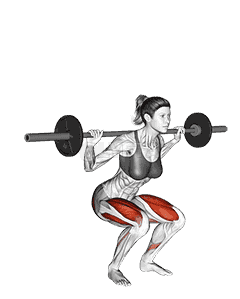
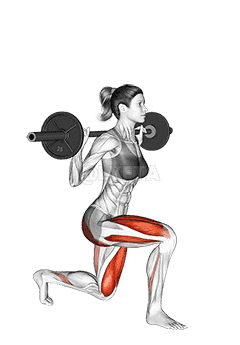
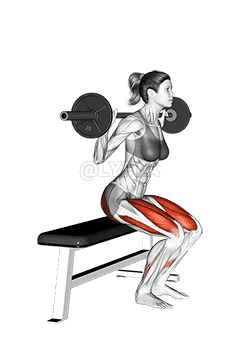
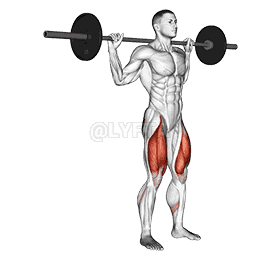
Frankenstein squat
Frankenstein squat demonstration
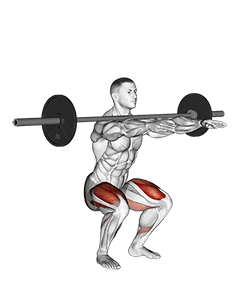
Performing the: A Step-by-Step Tutorial Frankenstein squat
- As you begin to squat down, keeping your back straight and your chest up, lift one leg straight out in front of you, trying to touch your toes to your fingertips.
- Lower your leg back down to the ground as you rise back up from the squat position.
- Repeat the process with the other leg, alternating legs with each squat.
- Continue this movement for your desired number of repetitions or time duration.
Tips for Performing Frankenstein squat
- **Arm Position**: The Frankenstein squat is unique due to its arm position. Extend your arms out in front of you at shoulder height, similar to Frankenstein’s monster. This not only helps with balance but also engages your core and upper body. Avoid dropping your arms during the exercise, as it can lead to improper form.
- **Depth of the Squat**: Don't rush to go too deep if you can't maintain proper form. A common mistake is to compromise the form to squat deeper. Your thighs should ideally be parallel to the floor in the bottom squat position, but if you can't achieve this without compromising your form, go as low as you can while maintaining good posture
Can beginners do the Frankenstein squat?
Yes, beginners can do the Frankenstein squat exercise. It's a relatively simple exercise that focuses on the quadriceps and hip flexors. However, like with any new exercise, beginners should start with light weights or no weights at all and focus on getting the form right to avoid injury. It's also beneficial to have a trainer or experienced individual supervise the first few attempts to ensure correct form.
What are common variations of the Frankenstein squat?
- The Goblet Frankenstein Squat involves holding a dumbbell or kettlebell at chest level, which can help improve balance and core strength.
- The Overhead Frankenstein Squat is a challenging variation where you hold the barbell above your head, requiring enhanced shoulder mobility and stability.
- The Single-Leg Frankenstein Squat is a unilateral exercise that challenges your balance and coordination while working each leg individually.
- The Jumping Frankenstein Squat adds a plyometric element to the move, increasing power and explosiveness while also raising the heart rate for a cardiovascular benefit.