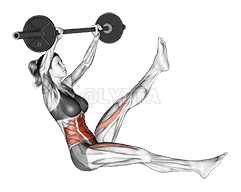
Barbell Sitted Alternate Leg Raise
Barbell Sitted Alternate Leg Raise demonstration
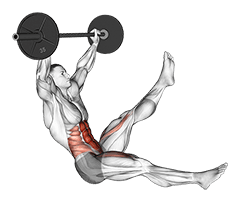
Tips for Performing Barbell Sitted Alternate Leg Raise
- Proper Grip: Hold a barbell across your thighs, using a shoulder-width grip. Ensure that your grip is firm but not overly tight to avoid unnecessary strain on your wrists and hands. A common error is to hold the barbell too loosely, which can lead to loss of control and potential injury.
- Controlled Movement: Lift one leg up as high as you can while keeping the other foot on the floor. Lower it back down slowly and repeat with the other leg. Avoid the urge to rush the movement or use momentum to lift your leg. This not only reduces the effectiveness of the exercise but also increases the risk of injury.
- Breathing Technique: Breathe in as you
Can beginners do the Barbell Sitted Alternate Leg Raise?
Yes, beginners can do the Barbell Seated Alternate Leg Raise exercise. However, it's important to start with a weight that is comfortable and manageable, and gradually increase the weight as strength and endurance improve. It's also crucial to maintain proper form to avoid injury. If you're unsure about how to do this exercise, it's best to consult with a personal trainer or fitness professional.
What are common variations of the Barbell Sitted Alternate Leg Raise?
- Resistance Band Seated Alternate Leg Raise: This version uses a resistance band instead of a barbell, which can help to engage more muscles and improve balance and coordination.
- Medicine Ball Seated Alternate Leg Raise: In this variation, you hold a medicine ball instead of a barbell. This can increase the challenge and engage your core more effectively.
- Kettlebell Seated Alternate Leg Raise: This variation uses a kettlebell instead of a barbell. The unique shape and weight distribution of the kettlebell can provide a different type of challenge.
- Weight Plate Seated Alternate Leg Raise: This variation involves holding a weight plate instead of a barbell. This can be a good option for those who find the barbell too heavy or uncomfortable to hold in this position.