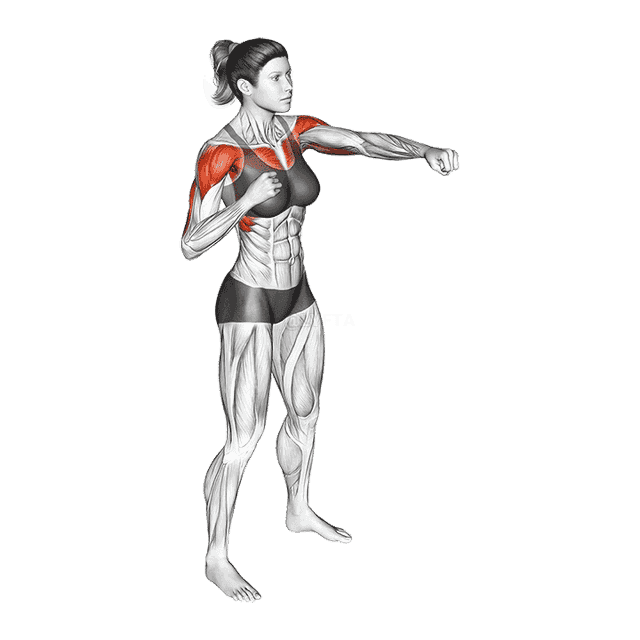
Wheel Run
Wheel Run demonstration

Tips for Performing Wheel Run
- Correct Form: A common mistake is not maintaining the correct form. When performing the Wheel Run, you should keep your back straight and engage your core. Avoid arching your back or letting your hips sag as this can lead to strain or injury.
- Control Your Movement: It's important to control your movement when rolling the wheel in and out. A common mistake is to rush the exercise, but this can lead to loss of form and potential injury. Instead, focus on slow, controlled movements.
- Don't Overextend: When rolling the wheel out, only go as far as you can while maintaining good form. Overextending can lead to strain or injury, particularly in your back or shoulders.
- Gradual Progress
Can beginners do the Wheel Run?
Yes, beginners can do the Wheel Run exercise, but it might be challenging because it requires a good amount of core strength, stability, and flexibility. It's recommended to start with simpler exercises to build up strength and flexibility before attempting the Wheel Run. Always remember to warm up properly before any exercise and ensure correct form to prevent injuries. If you're unsure, it's best to consult with a fitness professional or a personal trainer.
What are common variations of the Wheel Run?
- The One-Arm Wheel Run is a variation where the exercise is performed using one arm at a time, challenging your balance and stability.
- The Knee Wheel Run is a beginner-friendly version, where the exercise is performed from a kneeling position instead of standing.
- The Weighted Wheel Run incorporates additional weights, increasing the resistance and making the exercise more challenging.
- The Stability Ball Wheel Run replaces the wheel with a stability ball, requiring more control and stability from your core muscles.