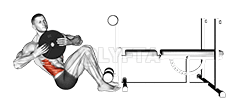
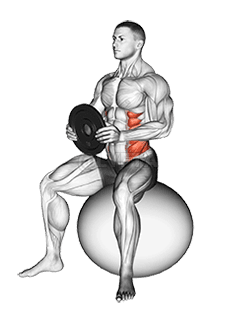
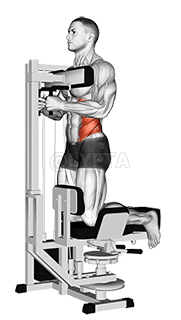
Weighted Side Bend
Weighted Side Bend demonstration
Watch the demo so setup and tempo are clear before you follow the step-by-step cues.
Performing the: A Step-by-Step Tutorial Weighted Side Bend
Work through the cues in order so setup, bracing, and reps stay consistent before you add load.
- Keep your back straight and your head up, then bend only at your waist to the right as far as possible while keeping the rest of your body still.
- Hold the position for a moment, ensuring you feel a stretch in your left obliques.
- Slowly return to the starting position and repeat the movement for your desired number of repetitions.
- After completing the set on the right side, switch the dumbbell to your left hand and repeat the process on the left side.
Tips for Performing Weighted Side Bend
Form reminders that keep range of motion and control in check once the basic pattern feels stable.
- Controlled Movement: It's important to perform the exercise with slow, controlled movements. Avoid the temptation to use momentum or to rush the exercise. This can lead to muscle strain and won't effectively target the intended muscles.
- Appropriate Weight: Choose a weight that is challenging but manageable. A common mistake is to use a weight that is too heavy, which can lead to poor form and potential injury. If you find your form slipping, it's a sign that the weight may be too heavy.
- Range of Motion: Make sure you're using a full range of motion during the exercise. This means bending to the side as far as comfortably possible, then
Can beginners do the Weighted Side Bend?
A short framing note on whether this pattern suits newer lifters before you load it heavily.
Yes, beginners can do the Weighted Side Bend exercise. This exercise is simple and helps to strengthen the core, particularly the oblique muscles on the sides of the abdomen. However, it's important to start with a weight that is comfortable and not too heavy to maintain proper form. As with any new exercise, beginners should start slowly and gradually increase the intensity as their strength and endurance improve. It's always a good idea to consult with a fitness professional or trainer when starting a new exercise routine.
What are common variations of the Weighted Side Bend?
Compare these progressions when the main pattern is solid or you need a different stimulus with similar equipment.
- Cable Side Bend: This version uses a cable machine, where you hold onto the cable handle and bend your torso to the side against the resistance.
- Kettlebell Side Bend: Similar to the dumbbell side bend, you hold a kettlebell in one hand and bend at the waist, then return to the standing position.
- Resistance Band Side Bend: This variation involves standing on a resistance band and holding the other end, then bending to the side against the band's resistance.
- Stability Ball Side Bend: This version requires a stability ball. You lie sideways on the ball with feet against a wall for support, hold a weight to your chest, and lift your upper body by contracting your oblique muscles.
Related Exercises
Similar library demos that share muscle or equipment focus so you can compare form cues and programming options.