Weighted Reduction Triangle
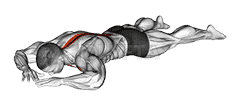
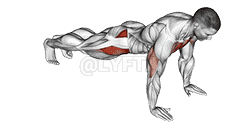
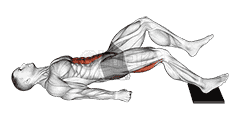
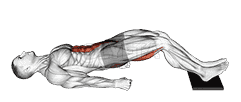
Weighted Reduction Triangle demonstration
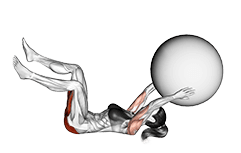
Tips for Performing Weighted Reduction Triangle
- Choose the Right Weight: Select a weight that is challenging but allows you to perform the exercise with correct form. If the weight is too light, you won't effectively work your muscles, but if it's too heavy, you risk injury. Start with a lighter weight and gradually increase as you become stronger.
Can beginners do the Weighted Reduction Triangle?
Yes, beginners can do the Weighted Reduction Triangle exercise. However, it's important to start with a weight that is comfortable and manageable to avoid injury. As with any new exercise, it's recommended to have a trainer or experienced person guide you through the process to ensure proper form and technique. Always listen to your body and adjust the weight or intensity as necessary.
What are common variations of the Weighted Reduction Triangle?
- The Dynamic Weighted Reduction Triangle adapts its weights based on the progression of the data or the changing requirements of the analysis.
- The Multi-dimensional Weighted Reduction Triangle extends the concept to more than two dimensions, allowing for a more complex analysis of data.
- The Stochastic Weighted Reduction Triangle introduces random variations into the weighting scheme to model uncertainty or variability in the data.
- The Hierarchical Weighted Reduction Triangle applies different weights at different levels of the triangle, allowing for a more nuanced analysis.