Weighted Counterbalanced Squat
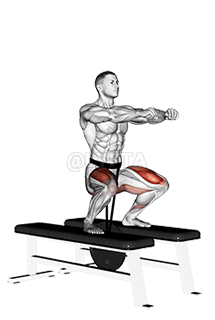
Weighted Counterbalanced Squat demonstration
Watch the demo so setup and tempo are clear before you follow the step-by-step cues.

Performing the: A Step-by-Step Tutorial Weighted Counterbalanced Squat
Work through the cues in order so setup, bracing, and reps stay consistent before you add load.
- Slowly lower your body into a squat position, keeping your back straight, your chest up, and your knees behind your toes.
- Ensure that your thighs are parallel to the floor, and your weight is on your heels, maintaining the weight plate in front of you as a counterbalance.
- Pause for a moment at the bottom of the squat, then gradually push through your heels to rise back up to the standing position while keeping the weight plate extended in front.
- Repeat the exercise for the desired number of reps, ensuring to maintain good form throughout the movement.
Tips for Performing Weighted Counterbalanced Squat
Form reminders that keep range of motion and control in check once the basic pattern feels stable.
- Weight Selection: Choose a weight that is challenging but manageable. Too heavy can lead to poor form and increased risk of injury. Too light, and you may not get the full benefits of the exercise. Start with a lighter weight to practice your form and gradually increase as your strength and technique improve.
- Depth of Squat: Aim to lower your body until your thighs are at least parallel to the floor. Going too low can put unnecessary strain on your knees, while not going low enough may not fully engage your muscles. However, the depth can
Can beginners do the Weighted Counterbalanced Squat?
A short framing note on whether this pattern suits newer lifters before you load it heavily.
Yes, beginners can do the Weighted Counterbalanced Squat exercise, but they should start with light weights to ensure they can maintain proper form and avoid injury. It's also crucial to learn the correct technique before adding weights. As with any new exercise, it's recommended to have a fitness professional guide and supervise initially to ensure the exercise is being performed correctly.
What are common variations of the Weighted Counterbalanced Squat?
Compare these progressions when the main pattern is solid or you need a different stimulus with similar equipment.
- The Front Squat: This variation involves holding a barbell in front of your body across your collarbones and shoulders, engaging the quads more intensely and improving upper body strength.
- The Overhead Squat: This advanced variation involves holding a barbell or dumbbells overhead while performing the squat, which greatly challenges your balance, flexibility, and core strength.
- The Bulgarian Split Squat: This variation involves placing one foot on a bench or step behind you and squatting with the front leg, which helps to target the quads, hamstrings, and glutes on one side of the body at a time.
- The Box Squat: This variation involves squatting down onto a box or bench and then standing back up, which can help to improve form and depth,
Related Exercises
Similar library demos that share muscle or equipment focus so you can compare form cues and programming options.