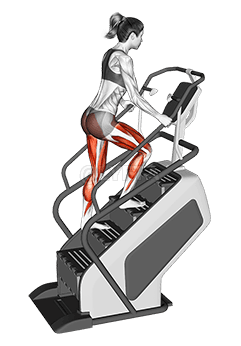
Walking on Stepmill
Walking on Stepmill demonstration
Watch the demo so setup and tempo are clear before you follow the step-by-step cues.
Performing the: A Step-by-Step Tutorial Walking on Stepmill
Work through the cues in order so setup, bracing, and reps stay consistent before you add load.
- Set your desired speed and incline on the machine's control panel, starting with a lower setting if you're new to this exercise.
- Begin the exercise by walking up the steps, keeping a steady pace and maintaining an upright posture with your core engaged.
- Ensure that your entire foot lands on each step, not just your toes, to engage your leg muscles fully and avoid straining your calves.
- Continue the exercise for your desired length of time, gradually increasing your speed and incline as your fitness improves.
Tips for Performing Walking on Stepmill
Form reminders that keep range of motion and control in check once the basic pattern feels stable.
- **Use Full Steps**: To get the most out of your stepmill workout, make sure you're using full steps. This means placing your entire foot on each step, not just the balls of your feet. This not only provides a better workout for your legs and glutes, but it also helps prevent slipping and potential injury.
- **Adjust Speed and Resistance**: Don't start with a high speed or resistance level. Begin with a lower setting and gradually increase as your fitness level improves. This will help prevent overexertion and injury.
- **Warm Up and Cool Down**: It's essential to spend a few minutes warming up before starting your stepmill workout, and a few minutes cooling down
Can beginners do the Walking on Stepmill?
A short framing note on whether this pattern suits newer lifters before you load it heavily.
Yes, beginners can definitely do the Walking on Stepmill exercise. It is a great low-impact exercise that helps improve cardiovascular fitness and lower body strength. It's important to start slow, maintaining a comfortable pace, and gradually increase speed or intensity as fitness levels improve. It's also important to maintain proper form, keeping the back straight and gripping the handles lightly for balance if needed. Always consult with a fitness professional if you're unsure about how to perform any new exercise.
What are common variations of the Walking on Stepmill?
Compare these progressions when the main pattern is solid or you need a different stimulus with similar equipment.
- Skipping Steps on Stepmill: In this variation, you skip one step each time you climb, which can increase the intensity of the workout.
- Walking Backwards on Stepmill: By turning around and walking backwards, you can challenge your balance and coordination while also targeting different muscles.
- Interval Training on Stepmill: This involves alternating between periods of high-intensity climbing and slower, recovery periods.
- Single Leg Steps on Stepmill: This variation involves climbing the steps using only one leg at a time, which can help improve balance and strength in each leg individually.
Related Exercises
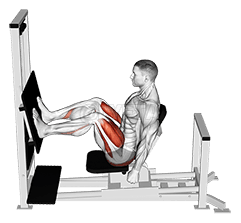
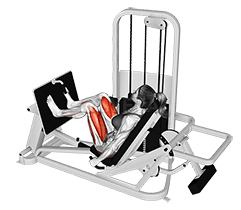
Similar library demos that share muscle or equipment focus so you can compare form cues and programming options.