Upright Shoulder External Rotation
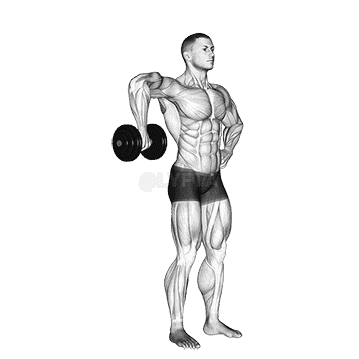
Upright Shoulder External Rotation demonstration
Performing the: A Step-by-Step Tutorial Upright Shoulder External Rotation
- Bend your elbows to a 90-degree angle, keeping your upper arms close to your body, and your forearms parallel to the floor.
- Slowly rotate your forearms outward, raising the dumbbells to the sides while keeping your elbows bent and close to your body.
- Hold this position for a few seconds to feel the contraction in your shoulder muscles.
- Gradually lower the dumbbells back to the starting position, keeping control of the movement, and repeat the exercise for the desired number of repetitions.
Tips for Performing Upright Shoulder External Rotation
- Controlled Movement: Don't rush through the exercise. Make sure each rotation is slow and controlled. Avoid jerky movements as they can strain your shoulder muscles and joints.
- Right Angle: When performing this exercise, your elbow should be at a right angle (90 degrees). A common mistake is to let the elbow angle become too wide or too narrow. This can reduce the effectiveness of the exercise and increase the risk of injury.
- Use Appropriate Weight: Start with a light weight and gradually increase as your strength improves. Using a weight that's too heavy can lead to improper form and potential injury.
- Consistent Tension: Try to maintain consistent tension in your muscles
Can beginners do the Upright Shoulder External Rotation?
Yes, beginners can certainly do the Upright Shoulder External Rotation exercise. However, it's important to start with a light weight to ensure proper form and to prevent injury. It's also recommended to have a trainer or experienced individual supervise or guide the exercise to ensure it's being done correctly. This exercise is beneficial for strengthening the rotator cuff muscles, which are crucial for shoulder stability and preventing injuries.
What are common variations of the Upright Shoulder External Rotation?
- Prone Shoulder External Rotation: In this variation, you lie face down on a bench or stability ball, allowing gravity to increase the intensity of the exercise.
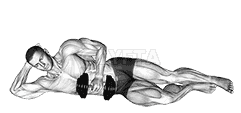
- Supine Shoulder External Rotation: This is done lying on your back, which can help to isolate the shoulder muscles further.
- Standing Band Shoulder External Rotation: This variation uses a resistance band, allowing you to adjust the difficulty level according to your strength.
- Wall Shoulder External Rotation: This version is performed standing against a wall, which helps maintain proper posture and alignment throughout the exercise.