Suspension Squat
Suspension Squat demonstration
Performing the: A Step-by-Step Tutorial Suspension Squat
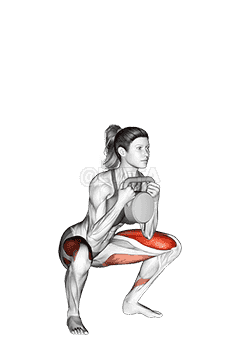
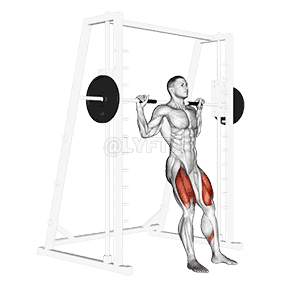
- Lower your body into a squat position by bending your knees and pushing your hips back, while keeping your chest up and your arms extended.
- Make sure your knees are aligned with your feet and not going past your toes as you descend into the squat.
- Hold the squat position for a moment, then push through your heels to return to the starting position, keeping your arms extended and maintaining tension on the suspension trainer.
- Repeat this movement for the desired number of repetitions, ensuring to keep your core engaged and your back straight throughout the exercise.
Tips for Performing Suspension Squat
- **Proper Form**: When performing the squat, keep your chest up, shoulders back, and look straight ahead. As you squat down, push your hips back and bend your knees, keeping them in line with your feet. Avoid letting your knees cave in or go past your toes, as this can lead to knee strain.
- **Engage Your Core**: A common mistake is not engaging the core during the exercise. Keeping your core tight not only helps maintain balance but also adds an extra level of difficulty to the exercise, increasing its effectiveness.
- **Controlled Movement**: Avoid rushing the movement. Lower yourself in a controlled manner and push back up through your heels
Can beginners do the Suspension Squat?
Yes, beginners can definitely do the Suspension Squat exercise. It's a great exercise that targets the lower body, specifically the thighs and glutes. It also engages the core and improves balance and stability. However, as with any new exercise, beginners should start slow and focus on maintaining proper form. It might be helpful to have a trainer or an experienced person guide them initially. Also, it's important to listen to your body and not push too hard if it feels uncomfortable or painful.
What are common variations of the Suspension Squat?
- Suspension Pistol Squat: This is a more advanced variation where you extend one leg out in front of you while performing the squat, which greatly challenges your balance and leg strength.
- Jumping Suspension Squat: This variation includes a jumping movement at the end of the squat, adding an element of plyometric training to the exercise.
- Suspension Squat with Twist: This incorporates a twist at the top of the squat, targeting the core and improving rotational strength.
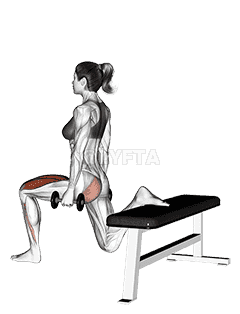
- Suspension Split Squat: In this squat variation, one foot is placed in the suspension strap behind you while you squat down on the other leg, providing a deep stretch and workout for the hip flexors and quadriceps.