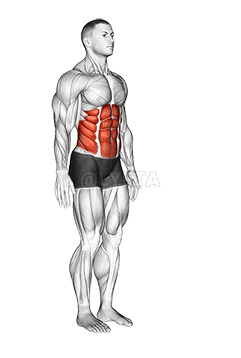
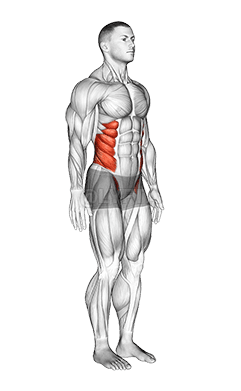
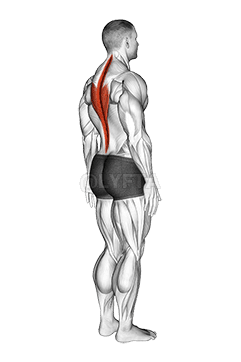
Spine
Spine demonstration
Watch the demo so setup and tempo are clear before you follow the step-by-step cues.

Tips for Performing Spine
Form reminders that keep range of motion and control in check once the basic pattern feels stable.
- Correct Posture: A common mistake in spine exercises is incorrect posture. Always maintain a neutral spine position, which means your back should be naturally arched, not overly curved or completely flat. This alignment keeps your spine safe and increases the effectiveness of the exercise.
- Use Proper Technique: When performing spine exercises, it's important to use the correct technique to ensure that you're targeting the right muscles and not straining your back. For example, if you're doing a back extension, make sure to lift with your back muscles, not your glutes or hamstrings.
- Don't Rush: Another common mistake is rushing through the movements. It's better to perform the exercises slowly and with control to ensure that you
Can beginners do the Spine?
A short framing note on whether this pattern suits newer lifters before you load it heavily.
Yes, beginners can do spine exercises, but it's essential to start with simple and gentle movements to avoid injury. Some beginner-friendly exercises include cat-cow stretches, seated spinal twists, and gentle backbends. It's also important to remember that everyone's body is different, so what works for one person may not work for another. Always listen to your body and stop if you feel any discomfort. Consulting with a physical therapist or a fitness professional can also provide guidance on the most suitable exercises for your current fitness level and health condition.
What are common variations of the Spine?
Compare these progressions when the main pattern is solid or you need a different stimulus with similar equipment.
- The spinal column, another term for the spine, is made up of 33 individual bones stacked one on top of another.
- The dorsal column, another name for the spine, plays a crucial role in our ability to balance and move.
- The rachis, another term for the spine, is a series of vertebrae extending from the skull to the small of the back.
- The spinal cord, while not exactly the same as the spine, is a long, thin, tubular structure that runs through the spinal column, carrying messages to and from the brain and the rest of the body.
Related Exercises
Similar library demos that share muscle or equipment focus so you can compare form cues and programming options.