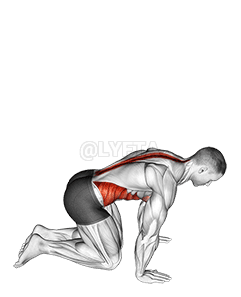
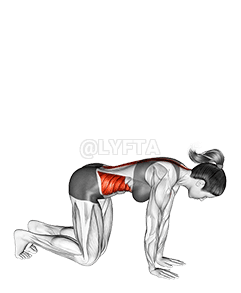
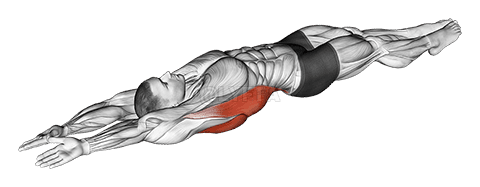
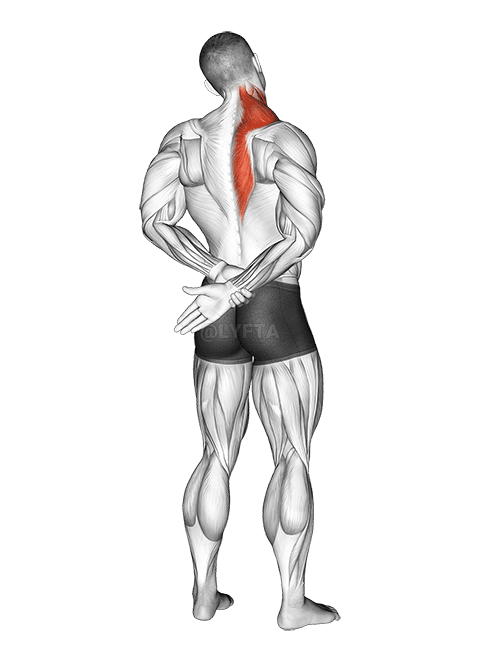
Spinalis
Spinalis demonstration
Watch the demo so setup and tempo are clear before you follow the step-by-step cues.

Performing the: A Step-by-Step Tutorial Spinalis
Work through the cues in order so setup, bracing, and reps stay consistent before you add load.
- Stand up straight with your feet shoulder-width apart.
- Slowly bend forward at your waist, keeping your back and neck straight.
- Lower yourself down as far as you can without bending your knees.
- Hold this position for a few seconds, then slowly return to the starting position.
- Repeat this exercise 10 times for 1 set, and do 3 sets in total.
Tips for Performing Spinalis
Form reminders that keep range of motion and control in check once the basic pattern feels stable.
- Correct Form: The most common mistake people make while performing the Spinalis exercise is not maintaining the correct form. Your spine should be in a neutral position, and you should focus on the movement originating from your spine and not your hips or shoulders. Incorrect form can lead to back pain or injury.
- Controlled Movement: Avoid jerky or rapid movements. The Spinalis exercise should be done with slow, controlled movement. This will ensure you're targeting the right muscles and not putting unnecessary strain on your back.
- Breathe Properly: Breathing is often overlooked but is an important part of any exercise routine. Remember to breathe in as you relax and breathe out as you contract your muscles. This will
Can beginners do the Spinalis?
A short framing note on whether this pattern suits newer lifters before you load it heavily.
Yes, beginners can do Spinalis exercises. However, it's important to start with light weights or even no weights at all, and focus on proper form to avoid injury. It's also recommended to have a professional trainer or physical therapist guide you through the exercise initially. The Spinalis is part of the erector spinae muscle group which runs the length of the spine, and exercises targeting this area can help improve posture, reduce back pain, and enhance overall back strength.
What are common variations of the Spinalis?
Compare these progressions when the main pattern is solid or you need a different stimulus with similar equipment.
- Spinalis Cervicis, another variant of the Spinalis, is located in the cervical region and helps in the extension and rotation of the neck.
- Spinalis Thoracis is a type of Spinalis that is situated in the thoracic region and aids in maintaining posture and controlling the movement of the spine.
- Spinalis Capitis, a variation of the Spinalis, is found in the head region and plays a crucial role in the movement of the head.
- Spinalis Muscle of the Trunk is another variant that is spread throughout the length of the trunk, providing support and facilitating movements.
Related Exercises
Similar library demos that share muscle or equipment focus so you can compare form cues and programming options.