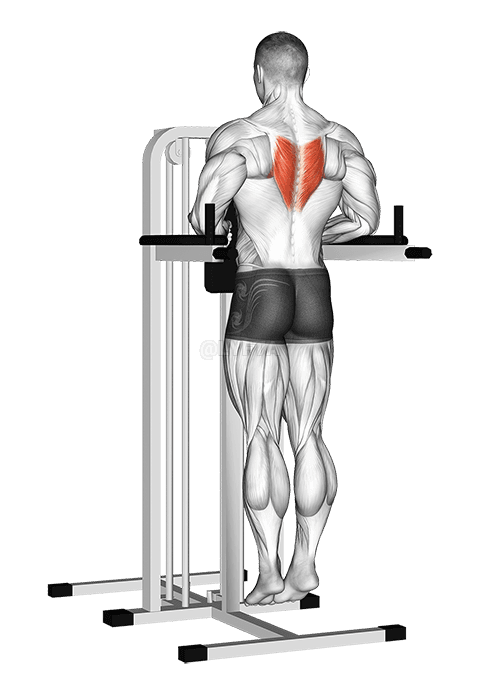
Shoulder lifter
Shoulder lifter demonstration
Watch the demo so setup and tempo are clear before you follow the step-by-step cues.

Performing the: A Step-by-Step Tutorial Shoulder lifter
Work through the cues in order so setup, bracing, and reps stay consistent before you add load.
- Slowly tilt your head to one side, aiming to touch your ear to your shoulder without raising the shoulder.
- Hold this position for about 15-30 seconds to stretch the Levator Scapulae muscle.
- Slowly return your head to the neutral position.
- Repeat the process on the other side.
Tips for Performing Shoulder lifter
Form reminders that keep range of motion and control in check once the basic pattern feels stable.
- Maintain Correct Posture: One common mistake is rounding the shoulders or straining the neck while performing the exercise. Always keep your spine straight, shoulders down and back, and neck in a neutral position. This helps to target the correct muscles and reduces the risk of injury.
- Control Your Movements: Avoid jerky or fast movements. The key to this exercise is slow, controlled movements. When you rush through the exercise, you risk pulling a muscle and not effectively working the Levator Scapulae.
- Use Appropriate Resistance: If you're using resistance bands or weights, make sure they're not too
Can beginners do the Shoulder lifter?
A short framing note on whether this pattern suits newer lifters before you load it heavily.
Yes, beginners can definitely do the Levator Scapulae exercises. However, like any other exercise, it's important to start with a lighter intensity to avoid injury and gradually increase as strength and flexibility improve. The Levator Scapulae is a muscle that runs down the back of the neck and helps with the action of lifting the shoulder blade. Some simple exercises for this muscle include neck stretches, shoulder shrugs, and resistance band pull-aparts. It's always a good idea to consult with a fitness professional or physical therapist to ensure the exercises are done correctly.
What are common variations of the Shoulder lifter?
Compare these progressions when the main pattern is solid or you need a different stimulus with similar equipment.
- A second variation could be a bifid Levator scapulae, where the muscle is split into two distinct sections, potentially resulting in increased strength but decreased flexibility.
- The third variation could be a Levator scapulae that is unusually thick or hypertrophied, which might provide additional strength but could also lead to stiffness and reduced mobility.
- The fourth variation could be a Levator scapulae that is fused with another nearby muscle, such as the rhomboid, affecting the overall function and movement of the shoulder.
- The fifth variation might be a Levator scapulae that is absent or significantly underdeveloped, which would likely lead to reduced shoulder elevation and potentially other movement issues.
Related Exercises
Similar library demos that share muscle or equipment focus so you can compare form cues and programming options.