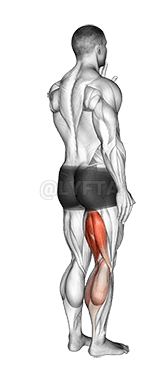
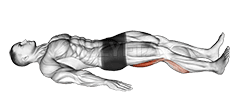
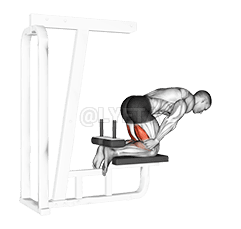
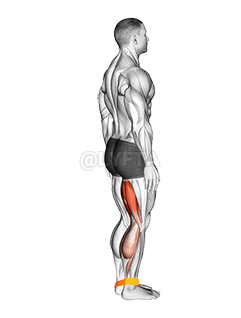
Self-Assisted Inverse Leg Curl
Self-Assisted Inverse Leg Curl demonstration
Watch the demo so setup and tempo are clear before you follow the step-by-step cues.

Performing the: A Step-by-Step Tutorial Self-Assisted Inverse Leg Curl
Work through the cues in order so setup, bracing, and reps stay consistent before you add load.
- Kneel down on the mat and secure your ankles under the barbell, ensuring your body is upright and your knees are directly under your hips.
- Slowly lower your torso forward, maintaining a straight line from your knees to your shoulders, until you can no longer control the descent.
- Use your hands to gently assist yourself back up to the starting position, pushing off the ground.
- Repeat this movement for your desired number of repetitions, ensuring to maintain control and proper form throughout.
Tips for Performing Self-Assisted Inverse Leg Curl
Form reminders that keep range of motion and control in check once the basic pattern feels stable.
- Proper Positioning: Position yourself correctly on the machine. Your knees should be just off the edge of the pad, and your feet should be flat against the footplate. Your body should be in a straight line from your head to your knees. Incorrect positioning can lead to strain or injury.
- Control Your Movement: As you curl your legs, ensure you're controlling the movement, not letting the weight control you. A common mistake is to use momentum to swing the legs up, which can lead to injury and reduces the effectiveness of the exercise.
- Keep Your Core Engaged: Maintain a tight core throughout the exercise. This will help to stabilize your body and protect your lower back. A common mistake
Can beginners do the Self-Assisted Inverse Leg Curl?
A short framing note on whether this pattern suits newer lifters before you load it heavily.
Yes, beginners can do the Self-Assisted Inverse Leg Curl exercise, but it's important to note that it's a complex exercise that requires strength and balance. It's recommended to start with lighter weights or even no weights at all, and gradually increase as strength and balance improve. As with any exercise, proper form is crucial to prevent injuries. Beginners may also benefit from the assistance of a personal trainer or experienced gym-goer to ensure they are performing the exercise correctly.
What are common variations of the Self-Assisted Inverse Leg Curl?
Compare these progressions when the main pattern is solid or you need a different stimulus with similar equipment.
- TRX Inverse Leg Curl: In this version, you use a TRX suspension trainer to perform the inverse leg curl, which allows for a greater range of motion and increased difficulty.
- Sliding Disc Inverse Leg Curl: For this variation, you use sliding discs or towels under your feet to slide your legs towards your body, engaging your hamstrings in a unique way.
- Banded Inverse Leg Curl: In this variation, a resistance band is used to add an extra level of difficulty to the exercise, providing constant tension throughout the movement.
- Single-Leg Inverse Curl: This version of the exercise involves performing the inverse leg curl with one leg at a time, which can help to address any imbalances in strength between your legs.
Related Exercises
Similar library demos that share muscle or equipment focus so you can compare form cues and programming options.