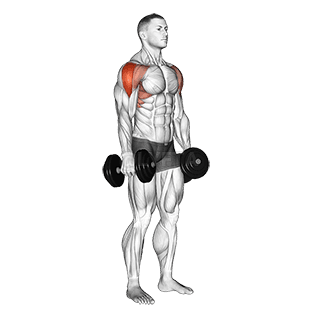
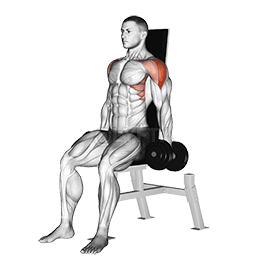
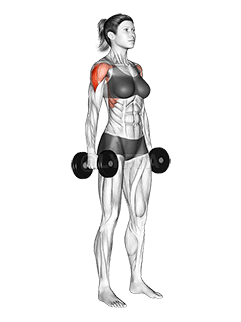
Seated Lateral Raise
Seated Lateral Raise demonstration
Watch the demo so setup and tempo are clear before you follow the step-by-step cues.
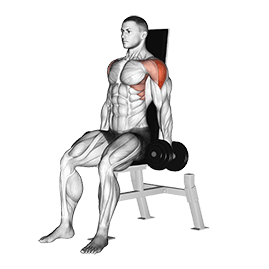
Performing the: A Step-by-Step Tutorial Seated Lateral Raise
Work through the cues in order so setup, bracing, and reps stay consistent before you add load.
- Keeping your torso stationary, slowly lift the dumbbells to your side with a slight bend on your elbow and your hands slightly tilted forward as if pouring water in a glass.
- Continue to lift the weights until your arms are parallel to the floor, ensuring you keep the same slight bend in your elbow throughout the movement.
- Pause for a moment at the top of the movement, then slowly lower the dumbbells back down to the starting position.
- Repeat this motion for your desired number of repetitions, ensuring to keep your movements slow and controlled to maximise muscle engagement.
Tips for Performing Seated Lateral Raise
Form reminders that keep range of motion and control in check once the basic pattern feels stable.
- Controlled Movements: When lifting the weights, do so in a slow and controlled manner. Avoid jerky or rapid movements, which can lead to injury. Lifting the weights too quickly can also use momentum rather than muscle strength, reducing the effectiveness of the exercise.
- Correct Arm Position: Start with your arms fully extended and the weights at your sides. As you lift the weights, keep your elbows slightly bent to avoid strain. Avoid lifting the weights above shoulder height, as this can place unnecessary stress on the shoulder joint.
- Breathing: Remember to breathe properly during the exercise. Exhale as you lift the weights and inhale as you lower them. Holding your breath can lead to an
Can beginners do the Seated Lateral Raise?
A short framing note on whether this pattern suits newer lifters before you load it heavily.
Yes, beginners can definitely do the Seated Lateral Raise exercise. It's a relatively simple exercise that targets the shoulder muscles, specifically the lateral or side deltoids. However, it's important to start with light weights to avoid injury and to ensure the correct form is being used. It's also beneficial to have a trainer or experienced individual guide beginners through the process to ensure proper technique.
What are common variations of the Seated Lateral Raise?
Compare these progressions when the main pattern is solid or you need a different stimulus with similar equipment.
- Bent-Over Lateral Raise: This variation targets the posterior deltoids by bending at the waist and lifting the weights from a hanging position.
- Single Arm Lateral Raise: This variation is performed one arm at a time, allowing you to focus on each shoulder individually.
- Lateral Raise with Resistance Bands: Instead of using dumbbells, this variation uses resistance bands to provide a different type of tension on the muscle.
- Incline Bench Lateral Raise: This variation is performed on an incline bench, which changes the angle of the exercise and targets the muscles differently.
Related Exercises
Similar library demos that share muscle or equipment focus so you can compare form cues and programming options.