Revolved Side Angle Pose Parivrtta Parsvakonasana
Revolved Side Angle Pose Parivrtta Parsvakonasana demonstration
Watch the demo so setup and tempo are clear before you follow the step-by-step cues.
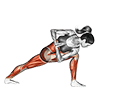
Performing the: A Step-by-Step Tutorial Revolved Side Angle Pose Parivrtta Parsvakonasana
Work through the cues in order so setup, bracing, and reps stay consistent before you add load.
- Bring your left hand down to the floor on the outside of your right foot, and extend your right arm towards the sky, initiating the twist in your body.
- Turn your head to look up at your right hand, keeping your spine lengthened and your chest open.
- Hold this position for a few breaths, maintaining a strong, balanced stance and a deep, steady twist.
- Release the pose by bringing your right hand back down to the floor, turning your head to look forward, and stepping your right foot back to meet your left in a high plank position, then repeat the pose on the other side.
Tips for Performing Revolved Side Angle Pose Parivrtta Parsvakonasana
Form reminders that keep range of motion and control in check once the basic pattern feels stable.
- Maintain Balance: Many people tend to lose balance in this pose. To avoid this, spread your feet wider apart for a more stable base. Engage your core muscles to support your spine and help maintain balance.
- Don't Rush: Another common mistake is rushing into the pose. Take your time to get into the pose, especially if you are a beginner. Start by mastering the basic lunge pose first, then gradually add the twist and the bind when you feel ready.
- Use Props: If you find it challenging to reach the floor with your hand or to keep your balance, use a yoga block. Place it on the inside or outside of your front
Can beginners do the Revolved Side Angle Pose Parivrtta Parsvakonasana?
A short framing note on whether this pattern suits newer lifters before you load it heavily.
Yes, beginners can attempt the Revolved Side Angle Pose (Parivrtta Parsvakonasana), but it's considered a more advanced pose. It's important for beginners to approach this pose gradually and perhaps with the help of a qualified yoga instructor to ensure proper alignment and avoid injury. It may also be helpful to use props like blocks or straps, and to start with simpler twists and stretches to prepare the body. As with any exercise, if it causes pain or discomfort, it's best to stop and consult with a professional.
What are common variations of the Revolved Side Angle Pose Parivrtta Parsvakonasana?
Compare these progressions when the main pattern is solid or you need a different stimulus with similar equipment.
- The Extended Revolved Side Angle Pose, or Utthita Parivrtta Parsvakonasana, is another variation where you extend your upper arm over your ear, creating a line of energy from your back foot to your fingertips.
- The Modified Revolved Side Angle Pose is a variation that uses props like a block under your hand if you can't reach the floor, making the pose more accessible for beginners or those with limited flexibility.
- The Chair Revolved Side Angle Pose, or Utkatasana Parivrtta Parsvakonasana, is a variation where you perform the pose from a chair pose, adding an extra challenge to your balance and core stability.
- The High Lunge Revolved Side Angle
Related Exercises
Similar library demos that share muscle or equipment focus so you can compare form cues and programming options.