Lotus Pose Padmasana
Lotus Pose Padmasana demonstration
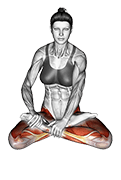
Performing the: A Step-by-Step Tutorial Lotus Pose Padmasana
- Bend your right knee and gently place it on your left thigh such that the sole of the feet point upwards and the heel is close to your abdomen; make sure your right ankle covers your left thigh.
- Repeat the same step with your left knee, placing it on your right thigh; ensure both your legs are crossed and your feet are facing upwards.
- Keep your body balanced, your spine straight, and place your hands on your knees in mudra position (the junction of thumb and index finger touch, while the other fingers are straight).
- Close your eyes and take deep, slow breaths, focusing on your posture and relaxing your body; stay in this position for a few minutes before releasing the pose.
Tips for Performing Lotus Pose Padmasana
- **Don't Force It**: Another common mistake is forcing the body into the pose. This can lead to injury, particularly in the knees and hips. If you can't comfortably perform the full Lotus Pose, start with a half Lotus or a simple cross-legged position. Gradually work your way up as your flexibility improves.
- **Maintain Proper Alignment**: In Lotus Pose, it's important to keep your spine straight and your shoulders relaxed. Avoid hunching over or leaning to one side. This not only helps to prevent injury, but also allows for deeper breathing and better concentration.
- **Use Props If Needed**: If you're having trouble achieving the pose, don't be afraid to
Can beginners do the Lotus Pose Padmasana?
Yes, beginners can attempt the Lotus Pose (Padmasana), but it's important to remember that it's an advanced pose and may take some time to achieve. It requires a significant amount of flexibility in the hips, knees, and ankles. Beginners should start with simpler poses to improve their flexibility and gradually work their way up to the Lotus Pose. Always remember to listen to your body and not push yourself into pain or discomfort. It can be helpful to practice with the guidance of a trained yoga instructor who can provide modifications and ensure you're using proper form.
What are common variations of the Lotus Pose Padmasana?
- Bound Lotus Pose (Baddha Padmasana): In this variation, the practitioner not only sits in the full Lotus Pose but also bends forward and binds their hands behind their back, holding onto their toes.
- Lotus in Headstand Pose (Padmasana in Sirsasana): This is a challenging variation that involves performing the Lotus Pose while in a headstand.
- Lotus in Shoulderstand Pose (Padmasana in Sarvangasana): This variation involves performing the Lotus Pose while in a shoulderstand, which can help to increase balance and focus.
- Elevated Lotus Pose (Utpluthih Padmasana): This variation involves lifting the body off the ground while in the Lotus Pose, using the strength of the arms and core