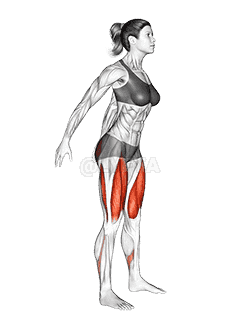
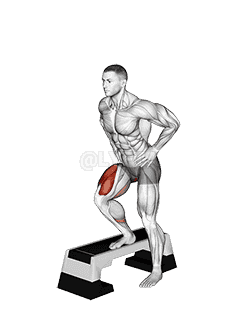
Prisoner Squat
Prisoner Squat demonstration

Performing the: A Step-by-Step Tutorial Prisoner Squat
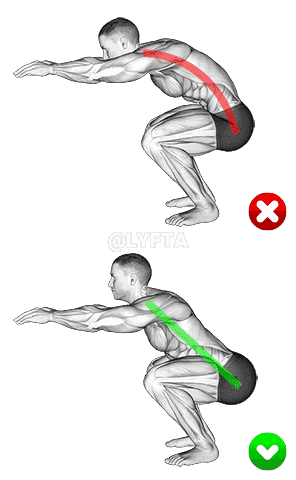
- Keeping your chest up and back straight, lower your body by bending at the knees and hips as if you're sitting back into a chair.
- Continue lowering yourself until your thighs are parallel to the ground, ensuring your knees do not go past your toes.
- Hold this position for a second, making sure to keep your core engaged and back straight.
- Push your body back up to the starting position, driving through your heels and keeping your hands behind your head.
Tips for Performing Prisoner Squat
- Depth of Squat: For an effective Prisoner Squat, you should aim to lower your body until your thighs are parallel to the floor. However, do not force yourself to go deeper if you are not comfortable or if it causes pain. A common mistake is either not going deep enough or going too deep, both of which can compromise the effectiveness of the exercise and potentially cause injury.
- Position of the Knees: When squatting, ensure that your knees do not go past your toes. This is a common mistake that can put unnecessary strain on the knees and lead to injury
Can beginners do the Prisoner Squat?
Yes, beginners can do the Prisoner Squat exercise. It's a bodyweight exercise that can be modified to suit any fitness level. However, it's important to ensure correct form to avoid injury. Beginners should start slow, perhaps with fewer repetitions, and gradually increase as their strength and endurance improve. As always, it's a good idea to consult with a fitness professional if you're unsure about how to perform any new exercise.
What are common variations of the Prisoner Squat?
- Jump Squat: This is a more dynamic version of the Prisoner Squat, where you explosively jump up from the squat position, increasing the cardio and power aspects of the workout.
- Sumo Squat: In this variation, you'll take a wider stance with your toes pointed outwards, targeting different muscles in your legs and glutes.
- Bulgarian Split Squat: This squat variation involves placing one foot on a bench or step behind you, which increases the challenge to your balance and works your muscles differently.
- Overhead Squat: This version involves holding a barbell or dumbbells overhead while performing the squat, which adds an extra challenge to your core and shoulder stability.