Olympic Squat
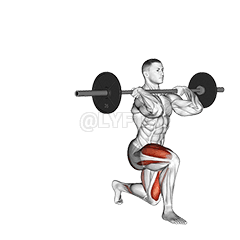
Olympic Squat demonstration
Watch the demo so setup and tempo are clear before you follow the step-by-step cues.
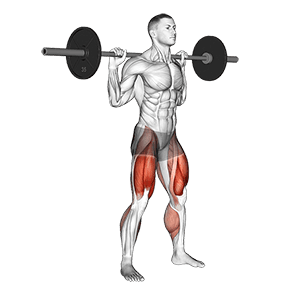
Performing the: A Step-by-Step Tutorial Olympic Squat
Work through the cues in order so setup, bracing, and reps stay consistent before you add load.
- Grab the barbell with an overhand grip, palms facing forward, and lift it off the rack by pushing up through your legs and straightening your torso.
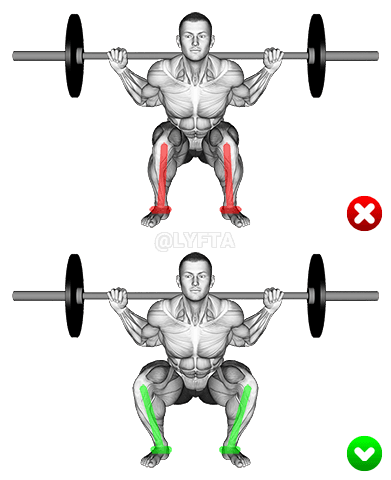
- Take a step back and position your feet shoulder-width apart with your toes slightly pointing outwards, this is your starting position.
- Begin the movement by bending your knees and hips, lowering your body as if you're sitting back into a chair, keep your chest up and back straight, continue until your thighs are parallel to the floor.
- Push through your heels to raise your body back to the starting position, fully extending your hips and knees, this completes one rep.
Tips for Performing Olympic Squat
Form reminders that keep range of motion and control in check once the basic pattern feels stable.
- **Proper Warm-Up:** Before you start with the Olympic Squat, make sure you have warmed up your body adequately. This will prepare your muscles for the exercise and reduce the risk of injury. A good warm-up can include light cardio and some dynamic stretching exercises.
- **Breathing Technique:** Proper breathing is crucial for performing squats effectively. Inhale as you lower your body and exhale as you push back up. Holding your breath or breathing incorrectly can lead to dizziness and won't provide the necessary power to perform the exercise effectively
Can beginners do the Olympic Squat?
A short framing note on whether this pattern suits newer lifters before you load it heavily.
Yes, beginners can do the Olympic Squat exercise, but it's important to start with a lighter weight to ensure proper form and avoid injury. It's also beneficial to have a trainer or experienced individual present to guide the beginner through the correct technique. This squat variation can be quite complex and requires flexibility, balance, and strength. As with any new exercise, beginners should start slow and gradually increase difficulty as their strength and form improve.
What are common variations of the Olympic Squat?
Compare these progressions when the main pattern is solid or you need a different stimulus with similar equipment.
- High Bar Back Squat: In this variation, the barbell is placed on the upper traps, which allows for a more upright torso and deeper squat.
- Low Bar Back Squat: Here, the barbell is placed lower on the back, on the posterior deltoids, which can help to engage the hamstrings and glutes more.
- Overhead Squat: This challenging variation involves holding the barbell overhead throughout the squat, which requires and improves balance, mobility, and core strength.
- Box Squat: This involves squatting down until your buttocks touch a box or bench behind you, which can help to ensure proper squat depth and form.
Related Exercises
Similar library demos that share muscle or equipment focus so you can compare form cues and programming options.