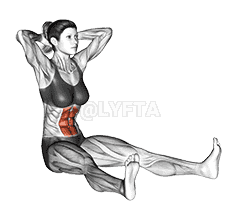
Lying
Lying demonstration
Tips for Performing Lying
- Keep Your Neck Relaxed: Another common mistake is straining the neck during the exercise. To avoid this, keep your neck relaxed. Do not pull your head up with your hands or strain your neck to lift your torso. Your core should be doing the work.
- Engage Your Core: Make sure to engage your core muscles throughout the exercise. This will not only make the exercise more effective but also help protect your lower back. A common mistake is to only use the upper abs or hip flexors, which can lead to lower back pain.
- Controlled Movements: Do not rush through the exercise. Perform each movement in a slow and controlled manner. This will help you engage your
Can beginners do the Lying?
Absolutely, beginners can do the "Lying" exercise. However, it's essential to note that there are various types of lying exercises, such as lying leg raises, lying tricep extensions, lying lateral leg raises, etc. It's crucial for beginners to start with light intensity and gradually increase as their strength and endurance improve. Also, maintaining the correct form and posture during the exercise is vital to prevent any potential injuries. If you're unsure about how to do these exercises, it's always a good idea to consult with a fitness professional or a personal trainer.
What are common variations of the Lying?
- Prevarication is a type of lying where someone evades the truth or deliberately creates ambiguity to avoid answering a question directly.
- Fabrication involves creating an entirely false story or situation to deceive others.
- Exaggeration is a form of lying where someone amplifies or overstretches the truth to make something appear better or worse than it actually is.
- Perjury is a serious form of lying, where someone knowingly provides false information under oath during a legal proceeding.