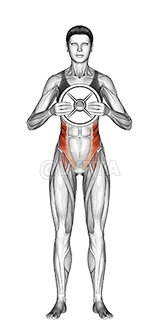
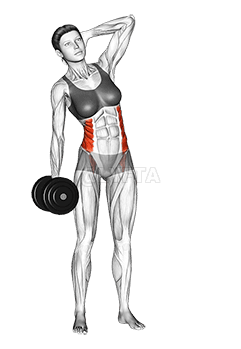
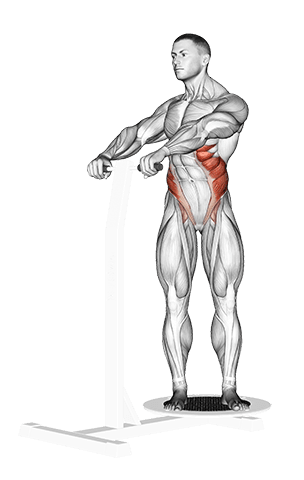
Lever Twist
Lever Twist demonstration
Watch the demo so setup and tempo are clear before you follow the step-by-step cues.
Tips for Performing Lever Twist
Form reminders that keep range of motion and control in check once the basic pattern feels stable.
- Controlled Movements: Make sure your movements are slow and controlled. Avoid the temptation to use momentum or to twist too quickly. This is another common mistake that can lead to injury. Instead, focus on engaging your core muscles and maintaining control throughout the entire movement.
- Appropriate Weight: Start with a weight that you can handle comfortably. It's a common mistake to use too much weight, which can strain your back and other muscles. As you get stronger, you can gradually increase the weight.
- Breathing Technique: Breathe out as you twist and breathe in as you
Can beginners do the Lever Twist?
A short framing note on whether this pattern suits newer lifters before you load it heavily.
Yes, beginners can do the Lever Twist exercise. However, it's important that they start with lighter weights and focus on maintaining proper form to avoid any potential injuries. It's also beneficial to have a fitness professional guide them through the exercise initially to ensure they are doing it correctly. As with any exercise, beginners should gradually increase the intensity as their strength and endurance improves.
What are common variations of the Lever Twist?
Compare these progressions when the main pattern is solid or you need a different stimulus with similar equipment.
- The Double Lever Twist, where the lever is twisted twice in succession for a more complex maneuver.
- The Half Lever Twist, a variation where the lever is only twisted halfway, often used for more nuanced control.
- The Lever Flip Twist, where the lever is flipped before being twisted to add an extra layer of difficulty.
- The Lever Pull-Twist, where the lever is first pulled towards the user before being twisted.
Related Exercises
Similar library demos that share muscle or equipment focus so you can compare form cues and programming options.