Glute Bridge Two Legs on Bench
Glute Bridge Two Legs on Bench demonstration
Performing the: A Step-by-Step Tutorial Glute Bridge Two Legs on Bench
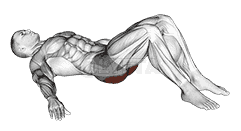
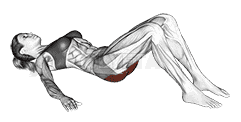
- Place your arms at your sides, palms down, for stability.
- Push through your heels and raise your hips off the bench by squeezing your glutes, keeping your back straight and core engaged.
- Hold this position at the top for a moment, ensuring your body forms a straight line from your shoulders to your knees.
- Slowly lower your hips back down to the starting position, and repeat the movement for your desired number of repetitions.
Tips for Performing Glute Bridge Two Legs on Bench
- Engage Your Core: To prevent injury and maximize the effectiveness of the exercise, always engage your core. This will help to stabilize your body and protect your lower back. A common mistake is to forget about your core and let your back do all the work, which can lead to strain or injury.
- Squeeze Your Glutes: As you lift your hips off the ground, make sure to squeeze your glutes at the top of the movement. This is where the real work is done. A common mistake is to use the lower back or the hamstrings to lift the body, rather than the glutes.
- Controlled Movement
Can beginners do the Glute Bridge Two Legs on Bench?
Yes, beginners can perform the Glute Bridge Two Legs on Bench exercise. However, it's important to start with light weights or no weights at all, and gradually increase the intensity as strength and confidence grow. It's also crucial to maintain proper form to avoid injury. If unsure, beginners should seek guidance from a fitness professional.
What are common variations of the Glute Bridge Two Legs on Bench?
- Glute Bridge with Weight on Bench: You can add more resistance to the movement by placing a weight plate or a dumbbell on your hips.
- Glute Bridge with Resistance Band on Bench: A resistance band can be used around your thighs to add an extra challenge to your glute muscles and involve your hip abductors.
- Glute Bridge with Feet Elevated on Stability Ball: Instead of a bench, you can use a stability ball for foot placement to add an element of instability and engage your core muscles.
- Glute Bridge Pulses on Bench: Instead of performing full glute bridges, you can do small pulses at the top of the bridge to keep constant tension on your glutes.