Curl-up
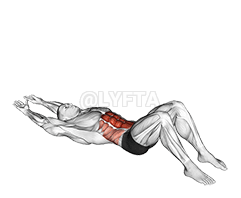
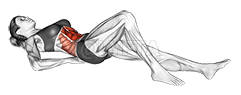
Curl-up demonstration
Watch the demo so setup and tempo are clear before you follow the step-by-step cues.
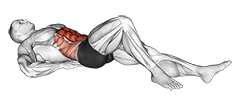
Performing the: A Step-by-Step Tutorial Curl-up
Work through the cues in order so setup, bracing, and reps stay consistent before you add load.
- Place your hands behind your head, but do not pull on your neck; instead, let your elbows point out to the sides.
- Slowly lift your head, shoulders, and upper back off the ground using your abdominal muscles, keeping your lower back on the ground.
- Hold this position for a few seconds, then slowly lower yourself back to the starting position.
- Repeat this exercise for the desired number of repetitions, ensuring to maintain proper form and controlled movements throughout.
Tips for Performing Curl-up
Form reminders that keep range of motion and control in check once the basic pattern feels stable.
- **Controlled Movement**: Another mistake is to perform the exercise too quickly. While it might seem like you're getting more done, rushing through the movement can actually be less effective and more risky. Instead, perform each curl-up in a slow, controlled manner. This will engage your muscles more effectively and reduce the risk of injury.
- **Breathing**: It's important to breathe correctly while performing curl-ups. Inhale as you lower your body and exhale as you lift. Holding your breath or breathing irregularly can increase
Can beginners do the Curl-up?
A short framing note on whether this pattern suits newer lifters before you load it heavily.
Yes, beginners can do the Curl-up exercise. It's a relatively simple exercise that targets the abdominal muscles. Here's a basic guide on how to do it: 1. Lie on your back on the floor. 2. Bend your knees and plant your feet flat on the ground, hip-width apart. 3. Cross your arms over your chest. 4. Contract your abs and inhale. 5. On your exhale, lift your upper body, keeping your head and neck relaxed. 6. Inhale and return to the starting position. Remember, it's important to start slow and focus on maintaining proper form. As you get stronger and more comfortable with the exercise, you can increase your repetitions. If you have any health concerns, it's best to consult with a doctor or a fitness professional before starting any new exercise regimen.
What are common variations of the Curl-up?
Compare these progressions when the main pattern is solid or you need a different stimulus with similar equipment.
- The Medicine Ball Curl-up: In this variation, you perform the curl-up while holding a medicine ball to add resistance and increase the exercise's difficulty.
- The Weighted Curl-up: This involves performing the traditional curl-up with a weight plate or dumbbell across your chest to add an extra challenge.
- The Stability Ball Curl-up: This variation requires you to perform the curl-up on a stability ball, which engages your core muscles more due to the unstable surface.
- The Twist Curl-up: In this variation, you add a twist at the top of the movement, alternating sides, to engage the oblique muscles.
Related Exercises
Similar library demos that share muscle or equipment focus so you can compare form cues and programming options.