Counterbalanced Skater Squat
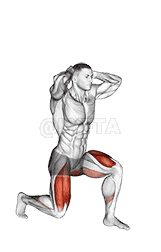
Counterbalanced Skater Squat demonstration

Performing the: A Step-by-Step Tutorial Counterbalanced Skater Squat
- Shift your weight onto your left foot and lift your right foot off the ground, balancing yourself.
- Lower your body into a squat position on your left leg, bending at the knee and hip, while extending your right leg out to the side and raising the dumbbell in front of you to counterbalance.
- Push through your left heel to stand back up, lowering the dumbbell back to your side and bringing your right foot back to the starting position.
- Repeat the exercise on the other side by switching the dumbbell to your left hand and balancing on your right foot.
Tips for Performing Counterbalanced Skater Squat
- **Avoid Leaning Forward**: A common mistake many people make is leaning too far forward during the squat. This can place unnecessary strain on your lower back and reduce the effectiveness of the exercise. Keep the weight close to your body and your chest upright to avoid this.
- **Use the Right Weight**: The weight you use for the counterbalance can greatly affect your form and the effectiveness of the exercise. Start with a light weight and gradually increase as your strength and balance improve. Using
Can beginners do the Counterbalanced Skater Squat?
Yes, beginners can do the Counterbalanced Skater Squat exercise, but it's important to start with light weights or even no weights at all to get the form right. This exercise requires balance and strength, so it may be challenging for those who are new to fitness. It's always recommended to have a fitness professional demonstrate the exercise first to ensure proper form and prevent injuries.
What are common variations of the Counterbalanced Skater Squat?
- Weighted Skater Squat: Adding weights to the exercise, either by holding dumbbells or wearing a weighted vest, can increase the challenge and help to build strength.
- Skater Squat with Resistance Band: Using a resistance band during the exercise can help to increase the level of difficulty and engage more muscle groups.
- Skater Squat with Jump: Incorporating a jump at the end of the squat movement can increase the cardiovascular challenge and add an element of plyometrics to the exercise.
- Skater Squat on Bosu Ball: Performing the squat on a Bosu ball can greatly increase the balance and stability challenge, making it a more advanced variation.