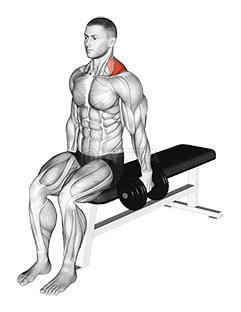
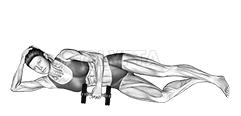
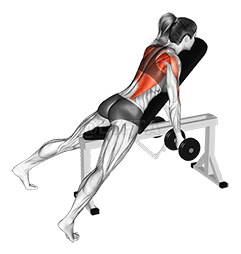
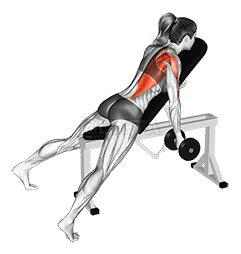
Bent-over Row - Back
Bent-over Row - Back demonstration
Watch the demo so setup and tempo are clear before you follow the step-by-step cues.
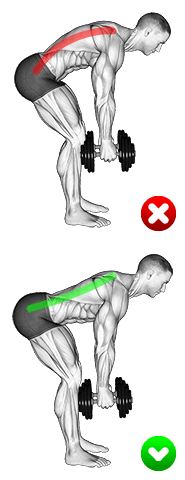
Performing the: A Step-by-Step Tutorial Bent-over Row - Back
Work through the cues in order so setup, bracing, and reps stay consistent before you add load.
- Bend your knees slightly and bring your torso forward by bending at the waist; keep your back straight so it's almost parallel to the floor.
- Keep your head up and your elbows close to your body as you lift the dumbbells towards you, squeezing your back muscles at the top of the movement.
- Hold the contraction for a second before slowly lowering the dumbbells back to the starting position.
- Repeat the exercise for the desired number of repetitions, ensuring you maintain the correct form throughout.
Tips for Performing Bent-over Row - Back
Form reminders that keep range of motion and control in check once the basic pattern feels stable.
- Mind Your Back: A common mistake to avoid is rounding your back. This can lead to injuries and doesn't target the muscles effectively. Always keep your back straight and engage your core to support your lower back.
- Control the Weight: Avoid using momentum to lift the weight. This is a common mistake that can lead to injuries and reduces the effectiveness of the exercise. Instead, control the weight both on the way up and on the way down. This increases muscle engagement and makes the exercise more effective.
- Right Weight: Make sure you're lifting a weight that's challenging but manageable.
Can beginners do the Bent-over Row - Back?
A short framing note on whether this pattern suits newer lifters before you load it heavily.
Yes, beginners can certainly do the Bent-over Row exercise for their back. However, it's important to start with light weights to ensure proper form and avoid injury. This exercise targets the muscles of the back, including the latissimus dorsi and rhomboids. It's crucial to keep the back straight and not to use too much weight, as this can lead to strain or injury. As with any exercise, it's recommended to have a fitness professional guide you initially to ensure you're doing the exercise correctly.
What are common variations of the Bent-over Row - Back?
Compare these progressions when the main pattern is solid or you need a different stimulus with similar equipment.
- Inverted Row: This variation is performed using a barbell secured at a lower height on a squat rack, where you pull yourself up to the bar instead of pulling the bar towards you.
- Pendlay Row: Named after the weightlifting coach Glenn Pendlay, this variation involves lifting the barbell from the floor to your chest in a strict horizontal movement, then returning it to the floor after each rep.
- Seated Cable Row: This variation uses a cable machine, where you sit on a bench and pull a handle towards you, mimicking the rowing movement.
- T-Bar Row: This variation uses a T-bar machine, where you stand on a platform and lift a barbell attached at one end using a close-g
Related Exercises
Similar library demos that share muscle or equipment focus so you can compare form cues and programming options.