Bar Band Swing
Bar Band Swing demonstration
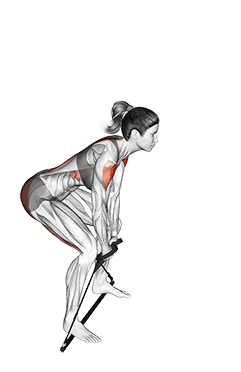
Tips for Performing Bar Band Swing
- **Engage Core and Maintain Posture**: Engaging your core is vital for stability and power during the Bar Band Swing. Keep your back straight, chest up, and avoid hunching your shoulders. Incorrect posture can lead to back injuries and reduces the effectiveness of the exercise.
- **Controlled Movement**: Avoid swinging too fast or using momentum to lift the band. The movement should be controlled and steady, focusing on the muscle contraction and relaxation. Swinging too fast can lead to loss of control and potentially cause injury.
- **Breathing Technique**: Breathe in as you lower the band and exhale as you swing it upwards. Proper breathing helps maintain rhythm, provides oxygen
Can beginners do the Bar Band Swing?
Yes, beginners can certainly do the Bar Band Swing exercise. However, it's important to note that proper form and technique are crucial to prevent injury and to ensure the exercise is effective. It might be beneficial to have a personal trainer or fitness professional demonstrate the exercise first. Also, beginners should start with lighter weights until they become comfortable with the movement.
What are common variations of the Bar Band Swing?
- The Single-Arm Bar Band Swing focuses on one arm at a time, enhancing strength and coordination in each arm separately.
- The Double Bar Band Swing involves using two bars simultaneously, increasing the intensity and difficulty of the exercise.
- The Squat Bar Band Swing combines the traditional swing with a squat, working both the upper and lower body at the same time.
- The Alternating Bar Band Swing involves alternating the swinging arm with each repetition, providing a dynamic and rhythmical workout.