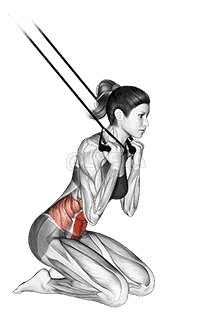
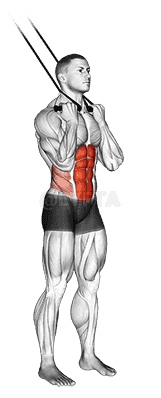
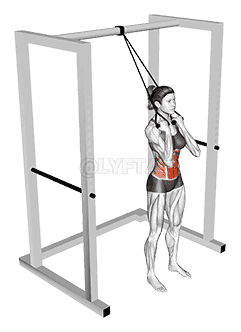
Assisted Sit-Up
Assisted Sit-Up demonstration
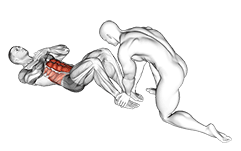
Performing the: A Step-by-Step Tutorial Assisted Sit-Up
- Have your partner or trainer stand at your feet, holding your ankles firmly to provide support and prevent them from lifting off the ground.
- With your hands behind your head or crossed on your chest, engage your abdominal muscles and slowly lift your upper body towards your knees, keeping your back straight.
- Hold the sit up position for a moment, then slowly lower your body back down to the starting position.
- Repeat this process for the desired number of repetitions, ensuring to maintain proper form and control throughout the exercise.
Tips for Performing Assisted Sit-Up
- **Engage Your Core**: Many people make the mistake of using their neck or back muscles during sit-ups, which can lead to strain or injury. Instead, focus on engaging your core muscles. Imagine pulling your belly button in toward your spine as you lift your upper body off the floor.
- **Controlled Movement**: Avoid the common mistake of rushing through the movement. Ensure that both the upward and downward phases of the sit-up are performed in a slow, controlled manner. This not only prevents injury but also maximizes the effectiveness of the exercise.
- **Breathing**: Breathe out as you lift your body and breathe in as you lower it back down. Proper breathing not only helps to maintain a
Can beginners do the Assisted Sit-Up?
Yes, beginners can do the Assisted Sit-Up exercise. It's a great way to start building abdominal strength. However, it's important to ensure proper form to avoid injury. They may need assistance from a partner or use equipment designed to assist with sit-ups. It's also a good idea to start with a small number of repetitions and gradually increase as strength improves. It's always best to consult with a fitness professional or trainer to ensure exercises are being done correctly.
What are common variations of the Assisted Sit-Up?
- Stability Ball Sit-Ups: Using a stability ball can help engage more muscles as it requires balance, which in turn improves core strength.
- Weighted Sit-Ups: Adding a weight plate or dumbbell to your chest while performing a sit-up increases the difficulty and helps to build more muscle.
- Twisting Sit-Ups: This version involves twisting your torso as you rise, which targets the oblique muscles along with the abs.
- Reverse Sit-Ups: Instead of lifting your upper body, you lift your lower body towards your chest, which puts more emphasis on the lower abdominal muscles.