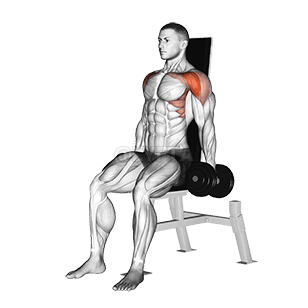
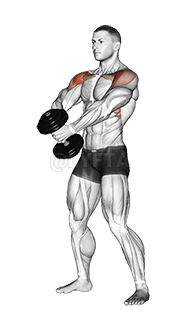
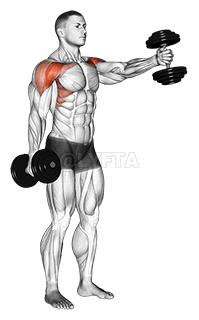
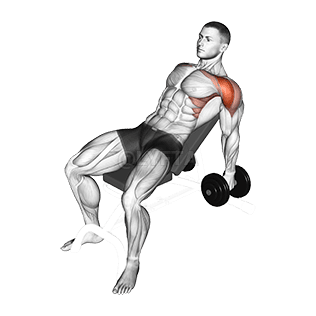
Standing Alternate Raise
Standing Alternate Raise demonstration
Watch the demo so setup and tempo are clear before you follow the step-by-step cues.
Performing the: A Step-by-Step Tutorial Standing Alternate Raise
Work through the cues in order so setup, bracing, and reps stay consistent before you add load.
- Keeping your torso stationary, lift the left dumbbell to the front of you while keeping your elbow slightly bent. Continue to lift it until your arm is slightly above parallel to the floor. Exhale as you perform this step and pause for a second at the top.
- Lower the left dumbbell back down slowly to the starting position as you simultaneously lift the right dumbbell. Inhale as you perform this step.
- Continue alternating in this manner until all of the recommended repetitions for each arm have been completed.
- Make sure to keep control of the movement and avoid swinging the dumbbells, this will ensure you are fully engaging your muscles during the exercise.
Tips for Performing Standing Alternate Raise
Form reminders that keep range of motion and control in check once the basic pattern feels stable.
- Controlled Movement: Raise one arm at a time to shoulder height, keeping the arm straight but not locked. Avoid swinging the dumbbell, as this can use momentum rather than muscle strength, reducing the effectiveness of the exercise.
- Keep Your Core Engaged: Tighten your abdominal muscles throughout the exercise. This not only helps to maintain your balance but also works your core muscles. A common mistake is to relax the core, which can lead to back strain.
- Breathing Technique: Breathe out as you lift the dumbbell and breathe in as you lower it. This helps maintain a steady rhythm and ensures your muscles are getting enough oxygen.
- Avoid Rushing: It's important to perform the exercise at a slow,
Can beginners do the Standing Alternate Raise?
A short framing note on whether this pattern suits newer lifters before you load it heavily.
Yes, beginners can do the Standing Alternate Raise exercise. It is a relatively simple exercise that targets the shoulders and can be performed with light dumbbells. However, like with any new exercise, beginners should start with a weight that is comfortable and manageable, gradually increasing as strength improves. It's also important to use proper form to avoid injury. If unsure, it's always a good idea to seek guidance from a fitness professional.
What are common variations of the Standing Alternate Raise?
Compare these progressions when the main pattern is solid or you need a different stimulus with similar equipment.
- Incline Bench Alternate Raise: This version is performed while lying face down on an incline bench, targeting the shoulders from a different angle.
- Lateral Raise with Resistance Bands: This variation uses resistance bands instead of dumbbells, providing constant tension on the muscles throughout the entire movement.
- Bent-Over Alternate Raise: In this version, you bend over at the waist and raise the weights from this position, which targets the rear deltoids more than the standing version.
- Standing Alternate Raise with Twist: In this variation, you twist your wrist as you lift the weight, so your palms face forward at the top of the movement, adding an extra challenge for the shoulders.
Related Exercises
Similar library demos that share muscle or equipment focus so you can compare form cues and programming options.