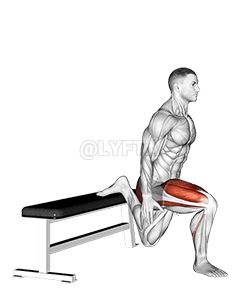
Squat (Body weight)
Squat demonstration
Watch the demo so setup and tempo are clear before you follow the step-by-step cues.
Performing the: A Step-by-Step Tutorial Squat
Work through the cues in order so setup, bracing, and reps stay consistent before you add load.
- Slowly bend your knees and lower your body as if you're about to sit on a chair, keeping your chest upright and your knees over your toes.
- Continue lowering yourself until your thighs are parallel or almost parallel to the floor, this is the squat position.
- Pause for a moment in the squat position, then push through your heels to rise back up to the starting position.
- Repeat this movement for the desired number of repetitions while maintaining proper form.
Tips for Performing Squat
Form reminders that keep range of motion and control in check once the basic pattern feels stable.
- **Avoiding Knee Overextension:** A common mistake is extending the knees too far forward, beyond the toes. This can put unnecessary pressure on the knees and lead to injury. Instead, make sure your knees are aligned with your feet during the squat.
- **Depth of Squat:** Aim for a deep squat where your hips go below your knees. However, do not compromise on form or safety to achieve this. If you can't squat that deep without losing form, it's better to do a shallower squat.
- **Breathing Technique:** Your breathing technique can greatly influence your performance. Inhale as you lower your body and exhale as you push yourself back up
Can beginners do the Squat?
A short framing note on whether this pattern suits newer lifters before you load it heavily.
Yes, beginners can definitely do the squat exercise. Squats are a foundational movement that can help build lower body strength and stability. However, it's important for beginners to start with proper form to avoid injury. This might include starting with bodyweight squats before adding weights. It can also be helpful to have a trainer or more experienced exerciser check your form.
What are common variations of the Squat?
Compare these progressions when the main pattern is solid or you need a different stimulus with similar equipment.
- Sumo Squat: In this variation, you position your feet wider than hip-width apart, with your toes pointing outwards, before squatting down.
- Jump Squat: This is a more dynamic version where you jump explosively as you come up from the squat.
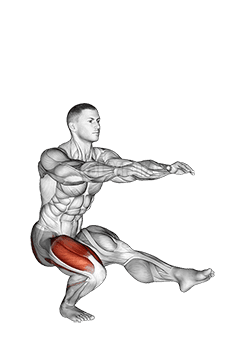
- Pistol Squat: This is an advanced variation where you perform a squat on one leg with the other leg extended straight out in front of you.
- Front Squat: In this variation, you hold a barbell in front of your body at shoulder height while performing a squat.
Related Exercises
Similar library demos that share muscle or equipment focus so you can compare form cues and programming options.