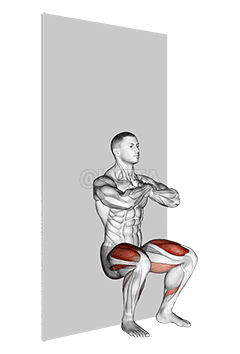
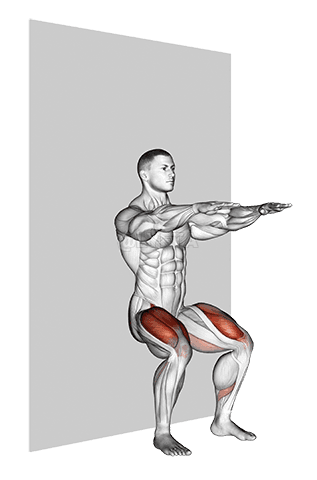
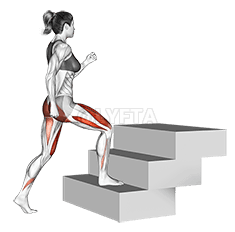
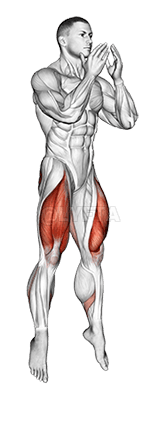
Split Squats
Split Squats demonstration
Watch the demo so setup and tempo are clear before you follow the step-by-step cues.
Performing the: A Step-by-Step Tutorial Split Squats
Work through the cues in order so setup, bracing, and reps stay consistent before you add load.
- Keep your upper body straight, with your shoulders back and relaxed and chin up. Your hands can be on your hips or extended out for balance.
- Lower your body until your front knee is at a 90-degree angle and your back knee is just above the floor. Your front heel should be flat on the floor and your knee should be directly over your ankle.
- Push yourself back up to the starting position by pressing into your front heel, keeping your weight balanced evenly, not leaning forward or backward.
- Repeat the exercise on the other side by stepping forward with your left foot and back with your right foot.
Tips for Performing Split Squats
Form reminders that keep range of motion and control in check once the basic pattern feels stable.
- **Maintain Upright Posture**: Keep your torso upright throughout the exercise. Leaning too far forward or backward can put undue stress on your lower back. To help maintain an upright posture, engage your core and keep your gaze straight ahead.
- **Correct Foot Placement**: Your front foot should be flat on the floor and your back foot should be on its toes. Avoid letting your front knee cave inward or outward, it should be pointing in the same direction as your foot.
- **Controlled Movement
Can beginners do the Split Squats?
A short framing note on whether this pattern suits newer lifters before you load it heavily.
Yes, beginners can absolutely do the Split Squats exercise. It is a great exercise for beginners as it helps to build strength and stability in the lower body. It targets the quadriceps, hamstrings, glutes, and calves, and also helps to improve balance and coordination. However, it's important to start with light weight or even just body weight, and to focus on form to avoid injury. As with any new exercise, beginners should start slow and gradually increase the intensity as their strength and endurance improve.
What are common variations of the Split Squats?
Compare these progressions when the main pattern is solid or you need a different stimulus with similar equipment.
- Side Split Squat: In this version, you step out to the side to perform the squat, which targets your inner and outer thighs.
- Jumping Split Squat: This is a more dynamic variation where you add a jump as you switch legs, increasing the cardiovascular challenge.
- Weighted Split Squat: This variation involves holding a dumbbell in each hand or a barbell on your back, adding resistance to the exercise.
- Rear Foot Elevated Split Squat: Similar to the Bulgarian split squat, this variation involves elevating your rear foot on a bench or step, but with a focus on keeping the torso more upright to engage the quads.
Related Exercises
Similar library demos that share muscle or equipment focus so you can compare form cues and programming options.