Skip to content

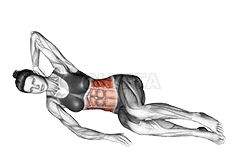
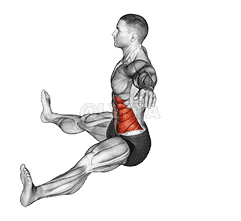
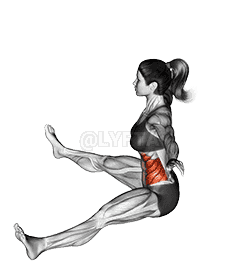
Sideways Lifts Vertical Turn

Sideways Lifts Vertical Turn demonstration

Performing the: A Step-by-Step Tutorial Sideways Lifts Vertical Turn

  • Slowly lift your arms to the side until they are parallel with the floor, keeping a slight bend in your elbows.
  • Once your arms reach shoulder height, rotate your wrists so that your palms are facing upwards.
  • Hold this position for a moment, then slowly lower your arms back down to your sides, rotating your wrists back to the starting position.
  • Repeat this exercise for the desired number of repetitions, ensuring to keep your core engaged and your back straight throughout.

Tips for Performing Sideways Lifts Vertical Turn

  • Controlled Movement: Avoid rushing through the movements. Each lift and turn should be performed in a controlled and deliberate manner. This not only helps to avoid injury but also ensures that the targeted muscles are being effectively engaged.
  • Proper Breathing: Breathing plays a crucial role in any exercise. Inhale when you lift and exhale when you lower. Incorrect breathing can cause you to become fatigued more quickly and can also affect your performance and results.
  • Use Appropriate Weight: Using weights that are too heavy can lead to improper form and potential injury. Start with a light weight and gradually increase as your strength improves. Remember, the goal is not to lift as heavy as possible, but to perform

Can beginners do the Sideways Lifts Vertical Turn?

Yes, beginners can do the Sideways Lifts Vertical Turn exercise, but they should start with a lighter weight and focus on maintaining proper form to avoid injury. It's also recommended to have a fitness trainer or experienced individual guide them through the exercise initially to ensure they are doing it correctly. As with any new exercise, it's important to listen to your body and not push past your limits.

What are common variations of the Sideways Lifts Vertical Turn?

  • The Oblique Side Lift and Rotate is a variation that targets the oblique muscles, incorporating a rotational movement while performing the lift.
  • The Sideways Lift with Overhead Turn not only involves the sideways lift but also an overhead turn, adding an extra challenge to the upper body and core.
  • The Diagonal Lift and Pivot is a variation that involves lifting the weight diagonally across the body while simultaneously pivoting on the opposite foot.
  • The Sideways Lift with a 360-degree Turn involves a full body turn after each lift, incorporating balance and coordination into the exercise.