Side Lunge
Side Lunge demonstration
_Thighs_small.png&w=3840&q=75)
Performing the: A Step-by-Step Tutorial Side Lunge
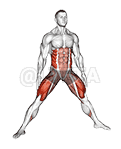
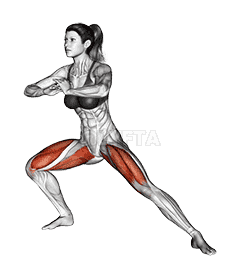
- Take a big step to the right with your right foot, keeping your toes pointed straight ahead and your left foot firmly in place.
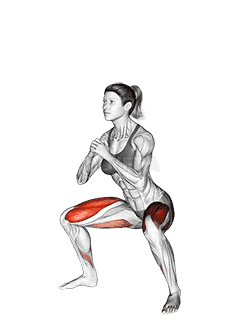
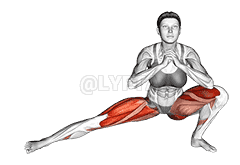
- Bend your right knee and push your hips back as if you were sitting into a chair on your right side. Your left leg should remain straight.
- Hold the position for a few seconds, keeping your chest upright and your weight in your right heel.
- Push off your right foot to return to the starting position, then repeat on the other side for a balanced workout.
Tips for Performing Side Lunge
- Controlled Movement: A common mistake is to rush through the movement. Make sure to perform the exercise slowly and with control. This not only ensures that you are working the right muscles, but also reduces the risk of injury.
- Keep your Chest Up: Another common mistake is to let your chest drop towards the ground during the lunge. Instead, keep your chest up and your spine neutral. This will help engage your core and maintain balance.
- Don't Overextend: It's important not to overextend your leg
Can beginners do the Side Lunge?
Yes, beginners can definitely do the Side Lunge exercise. However, it's important to start with a lighter intensity to avoid injury and ensure proper form. Beginners should focus on mastering the movement first before adding weights or increasing the intensity. It's also recommended to have a fitness professional guide you through the exercise initially to ensure you're doing it correctly.
What are common variations of the Side Lunge?
- The Lateral Lunge with a Knee Drive incorporates a knee lift at the end of the lunge to engage the core and improve balance.
- The Side Lunge with a Dumbbell Twist includes a twist at the waist while holding a dumbbell, which works the obliques and arms.
- The Side Lunge with a Hop adds a small jump as you push off the lunging foot, increasing the cardio intensity.
- The Walking Side Lunge involves performing the lunge in a forward motion, alternating sides, to add a dynamic element to the exercise.