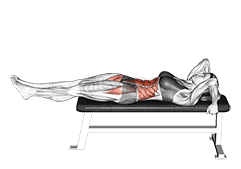
Side Bend
Side Bend demonstration
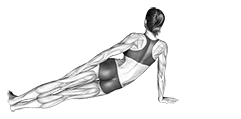
Performing the: A Step-by-Step Tutorial Side Bend
- Lift your right hand over your head, with your palm facing left, and stretch your body to the left side for a side bend.
- Hold this position for a few seconds, ensuring you feel a stretch along the right side of your body.
- Slowly return to the initial upright position and lower your right hand.
- Repeat the same process with your left hand stretching to the right side to complete one full cycle of the exercise.
Tips for Performing Side Bend
- Controlled Movement: When performing the side bend, make sure your movements are slow and controlled. Avoid jerky or fast movements as this can lead to strain or injury. Bend only at your waist and keep the rest of your body still.
- Avoid Overextending: A common mistake is to bend too far, which can strain the back and side muscles. Only bend as far as is comfortable for you, and stop if you feel any pain.
- Engage Your Core: To get the most out of the side bend, make sure to engage your core muscles. This not only helps to stabilize your body during the exercise but also increases the effectiveness of the
Can beginners do the Side Bend?
Yes, beginners can definitely do the Side Bend exercise. It's a simple and effective exercise that helps to improve flexibility and strengthen the oblique muscles on the sides of the abdomen. However, as with any exercise, it's important for beginners to start slowly and gradually increase the intensity to avoid injury. They should also pay attention to proper form to ensure they are doing the exercise correctly.
What are common variations of the Side Bend?
- Standing Side Bend: In this version, you stand upright with your feet hip-width apart, then bend your upper body to one side while keeping your lower body stationary.
- Side Bend with Dumbbell: This variation involves holding a dumbbell in one hand while standing, then bending towards the side opposite the weight, adding an extra challenge to your oblique muscles.
- Side Bend on Stability Ball: This variation is performed by lying sideways on a stability ball, then using your core muscles to lift your upper body off the ball.
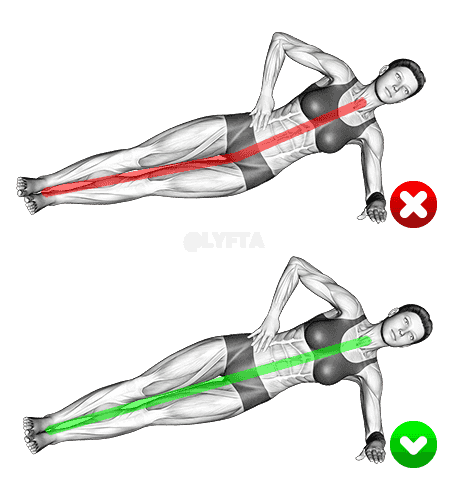
- Side Plank with Side Bend: This is a more advanced variation, starting in a side plank position then bending your upper body towards the floor and back up.