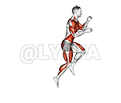
Shuffle
Shuffle demonstration
Watch the demo so setup and tempo are clear before you follow the step-by-step cues.

Performing the: A Step-by-Step Tutorial Shuffle
Work through the cues in order so setup, bracing, and reps stay consistent before you add load.
- Lean forward slightly at your hips, keeping your back straight, and get into a half-squat position.
- Quickly take a step to the right with your right foot, then immediately bring your left foot to meet it, keeping your feet hip-width apart.
- Repeat this side-to-side movement quickly, as if you're shuffling, for the desired amount of time or repetitions.
- Always remember to keep your knees slightly bent and your back straight throughout the exercise to avoid injury.
Tips for Performing Shuffle
Form reminders that keep range of motion and control in check once the basic pattern feels stable.
- Correct Form: One common mistake is not maintaining the correct form while shuffling. Your body should be slightly leaning forward, with your knees slightly bent. Your feet should not cross over each other as you move sideways. Keep your eyes forward and maintain a steady pace.
- Warm-Up: A common mistake is to start shuffling without a proper warm-up. This can lead to muscle strains or other injuries. Spend at least 5-10 minutes warming up your body with light cardio exercises like jogging or jumping jacks before you start shuffling.
- Control Your Movements: Don't rush through the shuffle. Controlled, deliberate movements are more effective and safer. Quick, jerky movements can lead to loss of balance or injury.
- Practice: The shuffle is a skill that improves with
Can beginners do the Shuffle?
A short framing note on whether this pattern suits newer lifters before you load it heavily.
Yes, beginners can definitely do the shuffle exercise. It's a fun and energetic form of exercise that can improve coordination, agility, and cardiovascular health. However, like any new exercise, beginners should start slow and gradually increase the intensity as they become more comfortable. It's also a good idea to watch tutorials or take a class to ensure the moves are being done correctly to avoid injury.
What are common variations of the Shuffle?
Compare these progressions when the main pattern is solid or you need a different stimulus with similar equipment.
- The Melbourne Shuffle is a rave and club dance that originated in the late 1980s in the underground rave music scene in Melbourne, Australia.
- The SpongeBob Shuffle is a dance move that involves quick foot movements and hopping, inspired by the animated character SpongeBob SquarePants.
- The T-step Shuffle is a common move in the Melbourne Shuffle, where the dancer appears to move in a T shape.
- The Running Man Shuffle is a variant that involves a fast-paced running in place movement.
Related Exercises
Similar library demos that share muscle or equipment focus so you can compare form cues and programming options.